Cart
No products in the cart.
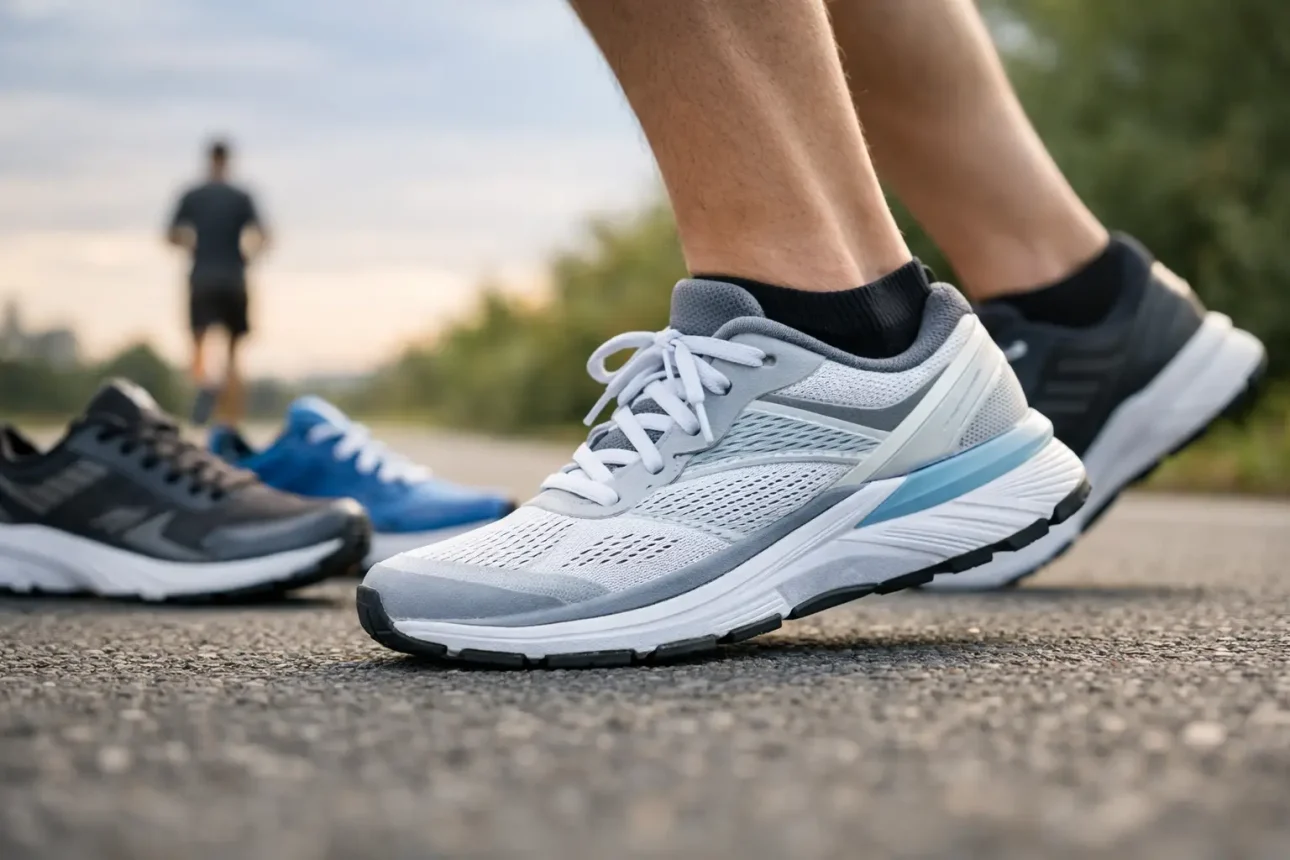
Some cheap running shoes feel fine for ten minutes, then your feet start arguing with you. That’s the whole problem. The best budget running shoes are not the absolute cheapest pairs on the shelf. They’re the ones that still feel stable at mile three, still look decent with joggers, and don’t fall apart after a month.
We’re not here to pretend every low-cost shoe is a hidden gem. Some are flat, stiff, and all marketing. But there are solid options if you know what to look for. If you run a few times a week, walk a lot, or just need one pair that can handle real life without draining your account, this is where we’d start.
Price matters, but value matters more. A budget shoe earns its spot when it gets the basics right: enough cushioning to keep your legs from feeling beat up, enough structure that your stride doesn’t feel sloppy, and an upper that doesn’t turn into a sweaty mess.
We also think versatility matters. A lot of people buying budget running shoes are not building a five-shoe rotation. You want one pair that can handle short runs, gym sessions, long walks, and errands after. That changes what “best” means.
The trade-off is simple. At lower prices, you usually give up some premium foam, lighter materials, and that extra polished feel. What you should not give up is basic comfort. If a shoe feels harsh in the store, it probably won’t feel better later.
This is one of the easiest budget picks for casual runners. The Nike Revolution line is simple, clean, and usually priced where normal people can justify it. It’s not built for speed work or long-distance goals, but for easy runs and everyday wear, it does the job.
We like it because it feels familiar right away. Soft enough underfoot, flexible enough for walking, and easy to style if you care how your shoes look off the run. The downside is durability can be average if you hammer them every day.
The Duramo is the kind of shoe we suggest when someone says, “I just need something solid.” That’s the pitch. Not flashy. Just solid. It usually gives you a balanced ride with enough cushion for short to medium runs and enough comfort for long days on your feet.
If you like a firmer feel, this one makes sense. If you want that super soft sink-in feel, probably not. Still, for the price, Adidas usually gets the upper and overall fit right here.
If you want a dependable no-drama shoe, the ASICS Jolt deserves a look. It tends to fit comfortably, has a stable feel, and works well for beginners who don’t want anything too soft or too wobbly.
We’d take this over a lot of random discount-store runners because it feels more put together. The cushioning is not plush, and that’s fine. Some people actually do better in a shoe that feels steady instead of squishy.
New Balance is usually good at making affordable shoes that feel easy to wear right out of the box. Models like the 520 and 570 often hit the sweet spot for people who split their time between walking and light running.
This is a good pick if your day includes more than just exercise. Commute, errands, treadmill, maybe a park loop after work. They often have a straightforward fit and enough underfoot comfort to stay wearable all day. They are not exciting. That’s part of the appeal.
Puma budget runners don’t get enough credit. Some of them look better than they perform, sure, but lines like the Transport and Flyer Runner can be a smart buy if you want comfort, a lightweight feel, and a price that stays reasonable.
We like Puma most for people doing shorter runs, gym work, and daily wear. If you’re training seriously, you’ll probably want more shoe. If you just want something that feels light and looks sharp, they’re worth a look.
If you can find the Brooks Trace at a budget-friendly price, it’s one of the stronger value picks out there. Brooks tends to focus less on flash and more on comfort that holds up over time. That works for us.
The Trace usually feels smoother and more refined than a lot of cheaper running shoes. It’s not the cheapest option in this group, but sometimes spending a little more saves you from buying twice.
Let’s be honest. Hoka is not usually the first brand people think of for budget shopping. But older colors or past-season Rincon models can drop into budget territory, and when they do, pay attention.
If you want a light shoe with a soft ride and you can catch one at the right price, it’s a better move than buying a bad cheap shoe at full price. The catch is durability can be just okay, so this is more of a “buy smart” pick than an automatic one.
Start with how you actually use them. Not your fantasy version of yourself. If you run twice a week and walk the dog every day, buy for that. If you work on your feet and jog once in a while, comfort for long wear matters more than shaving a few ounces.
Cushioning is the first filter. If your legs and feet feel beat up easily, go softer. If soft shoes make you feel unstable, choose something firmer and more grounded. Neither is better across the board.
Fit is next. A cheap shoe that fits well will beat a more expensive shoe that rubs your toes raw. Look for enough room in the toe box, a heel that stays put, and a midfoot that feels secure without squeezing.
Then think about outsole grip and upper breathability. These sound minor until they aren’t. Slippery outsoles get annoying fast. Hot uppers get even worse in summer.
The biggest mistake is buying based on the badge alone. Every big brand makes some great shoes and some forgettable ones. Just because it says Nike, Adidas, or New Balance does not mean that specific model is worth your money.
The second mistake is buying too little shoe for the job. If you’re running five days a week, the cheapest option is usually not the smart option. It may save money on day one and cost more when it wears out fast or leaves your feet miserable.
The third mistake is chasing soft foam without checking stability. Some shoes feel amazing when you first step in, then weird and sloppy once you start moving. A short try-on doesn’t tell the whole story.
Usually, yes. For most people, a good budget runner is more than enough. If your runs are short to moderate, your pace is relaxed, and you just want comfort without overthinking it, you do not need the top-tier model.
Where budget shoes start to struggle is high mileage, faster training, and heavier wear over time. Premium models often feel smoother, lighter, and more durable. That difference is real. But not everyone needs it.
We’d rather see someone in a solid budget pair they actually enjoy wearing than in an expensive shoe they bought because the internet told them to. What matters is whether your feet still feel decent later in the day.
If you want the safest pick, start with ASICS, New Balance, or Brooks in their lower-priced running lines. They’re usually less flashy, but they tend to get the basics right. If style matters just as much as the run, Nike and Puma make more sense. If you catch a better model on sale, take the sale.
That’s really the move with best budget running shoes. Don’t chase the lowest price. Chase the pair that feels good, fits right, and can survive your actual week. Your feet don’t care about marketing. They care about what happens at mile two, at 5 p.m., and the next morning when you put the shoes back on.