Cart
No products in the cart.
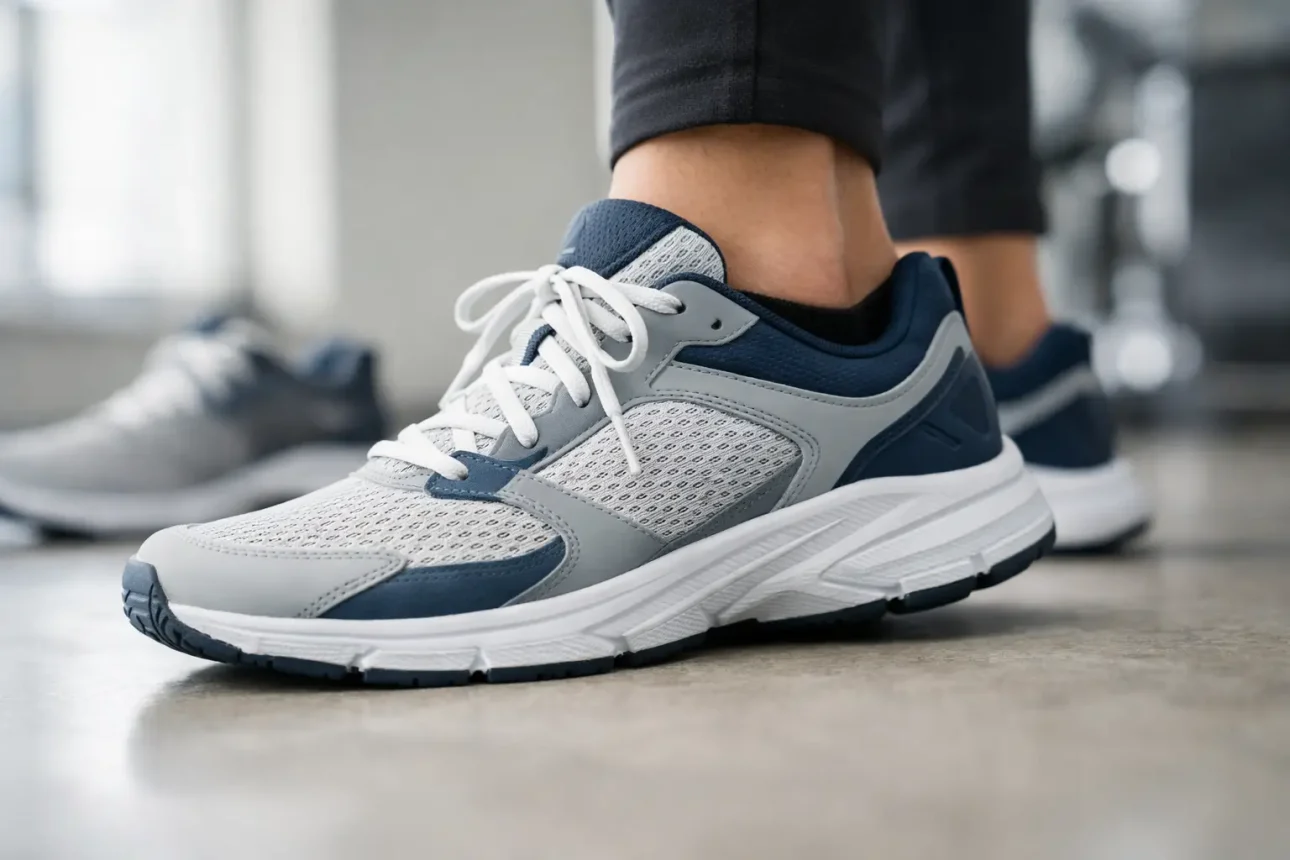
Your feet usually tell the truth by about 5 p.m. That’s when a bad pair of sneakers starts showing itself. Your arches feel tired. Your heels get sore. Your knees start complaining. If you’re trying to figure out how to find supportive sneakers, skip the flashy stuff and pay attention to what actually holds you up through a full day.
A supportive sneaker is not just a soft sneaker. That’s the first thing. A lot of shoes feel nice for five minutes because they’re squishy. Then they flatten out, your foot slides around, and you’re worse off than when you started. Real support is about balance. You want cushioning, yes, but you also want structure, stability, and a fit that keeps your foot in place.
Supportive sneakers help your foot stay aligned while you walk, stand, or run. That does not mean they need to feel stiff like a brick. It means they should guide your foot instead of letting it roll all over the place.
The easiest way to think about it is this: soft is about comfort when you first step in. Support is about how the shoe behaves after hours of wear. If your foot feels like it’s sinking, wobbling, or working too hard, that shoe probably isn’t doing enough.
That’s why some trendy sneakers miss the mark. They look clean. They feel light. But if the midsole is flat and the upper is flimsy, they’re not built for long shifts, long walks, or everyday wear. We’d skip those if support is your priority.
You do not need a lab test or a 45-minute YouTube review. You need to check a few things that matter.
Start with the base of the shoe. A supportive sneaker should feel stable when you set it on the ground. If it rocks side to side too easily or twists with almost no effort, that’s usually not a great sign. Some flexibility is fine, especially in the forefoot. But the whole shoe should not fold up like a towel.
Next, look at the heel. A solid heel counter matters more than people think. Squeeze the back of the shoe. If it collapses right away, it may not give you enough hold. A firmer heel helps keep your foot secure and cuts down on that sloppy, loose feeling.
Then check the midsole. This is where a lot of support lives. You want cushioning that feels consistent, not mushy. Thick foam can be great, but only if it stays stable. Some max-cushion shoes feel amazing for walking. Others are so soft that they get weird on turns or after a few hours on your feet. It depends on the design.
Finally, pay attention to width and shape. A shoe can have all the support tech in the world, but if it pinches your toes or lets your foot spill over the edge, it’s the wrong shoe. Bad fit ruins good shoes fast.
A lot of people buy the wrong sneakers because they focus on brand, not fit. We get it. Some models have a strong reputation. But your feet do not care what the internet says.
Your toes need room to spread naturally. Not a ton of extra space, just enough that they’re not jammed into the front. Your heel should feel secure without rubbing. The middle of your foot should feel held, not squeezed. If you have to lace the shoe in some strange emergency pattern just to make it work, that’s not your pair.
Try sneakers on later in the day if you can. Feet swell. A pair that feels perfect at 8 a.m. can feel tight by dinner. That matters if you work long shifts or walk a lot.
Socks matter too. Try shoes with the kind of socks you actually wear. Thick athletic socks can change the fit a lot. Thin no-show socks can make a roomy shoe feel sloppy.
This is where a lot of advice gets messy. The best supportive sneaker for a nurse is not always the best one for a casual walker. The best pick for someone with a narrow foot may be awful for someone with a wide forefoot.
If you stand all day, look for stable cushioning and a secure upper. You probably want more comfort under the heel and midfoot, but not so much softness that your feet feel tired from balancing all day.
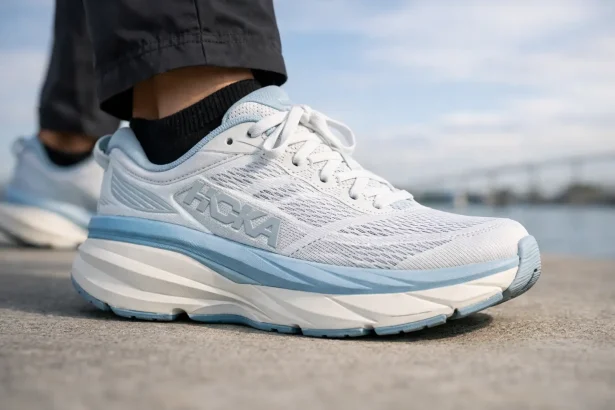
If you walk a lot, especially on pavement, a rocker-style shape can help. Some shoes from Hoka and Brooks do this well. They keep you moving forward and take some pressure off each step. Not everyone likes that rolling feel, though. Some people try it and hate it right away. Fair enough.
If you run a few times a week, support gets more specific. You may want a neutral shoe with solid cushioning, or you may prefer a stability model if your stride feels wobbly. This is where shoes like the Asics Gel Kayano, Hoka Arahi, and some New Balance stability options tend to stand out. They’re not subtle, but they do the job.
If your main issue is soreness from hard floors, don’t assume the softest shoe wins. We’ve seen plenty of people do better in a shoe with a firmer platform and better lockdown. Too much sink can be just as tiring as too little cushion.
Some shoes tell on themselves fast. If your heel slips, your foot slides forward, or the arch hits you in the wrong spot, move on. Those problems usually do not get better with wishful thinking.
Watch for that tired, unstable feeling after an hour or two. Not pain, just fatigue. If your feet feel like they’re doing extra work to stay balanced, the shoe may be too flat, too soft, or too loose.
Also, be honest about outsole wear. If your sneakers burn through the bottom quickly and start leaning to one side, support drops off fast. Even a good pair has a limit. Once the platform breaks down, the feel changes.
If you want a safe place to start, look at walking shoes, daily trainers, and stability runners. Those categories usually offer the best mix of cushioning and structure.
Running-inspired lifestyle shoes can work too, but this is where things get mixed. Some are built on solid performance tooling. Others just borrow the look. A sneaker might resemble a serious running shoe and still wear like a flat casual model. That’s why checking the sole, heel, and fit matters more than the name alone.
Brands like Brooks, Hoka, Asics, New Balance, and On often have dependable options if support is the goal. Nike and Adidas can work too, but you need to be pickier because those lineups range from genuinely useful to mostly style-first. Puma has good casual pairs, but for all-day support we’d be selective.
That’s the real take. Not every popular sneaker is built for real life. Some are better for coffee runs than actual miles.
If you always wear down the inside edge of your shoes, or you know one foot tends to roll in more, that’s useful information. Same if you always feel pressure in the forefoot or heel. You do not need to diagnose yourself. Just notice patterns.
Bring that into your decision. If your old shoes felt unstable, don’t buy something even softer and looser. If your last pair felt too stiff, maybe you need a smoother ride with more forefoot flex. Support is not one fixed feeling. It’s the shoe helping where you actually need help.
You do not need the most expensive shoe on the wall. Plenty of solid supportive sneakers sit in the middle of the price range. But the super-cheap pair that dies in two months is rarely a bargain.
We’d rather see you buy one pair that feels good all week than two pairs you keep trying to talk yourself into liking. If a shoe works for your feet, your knees, and your routine, that’s money better spent.
A short break-in period is normal. A painful one is not. If a shoe keeps rubbing, pressing, or feeling off after a few wears indoors, don’t force it. Supportive sneakers should feel secure and comfortable early on.
Sometimes the answer is simple. Wrong size. Wrong width. Wrong shape. Sometimes it’s just the wrong model for your body. That does not mean it’s a bad shoe. It means it’s a bad shoe for you.
If you’re shopping at The Sneaker Base, we’d keep it simple. Start with the shoes built for walking, daily running, or all-day comfort. Look for structure first, softness second, and a fit that feels right without excuses. The best supportive sneaker is not the loudest one or the trendiest one. It’s the pair you forget about because your feet stop complaining.