Cart
No products in the cart.
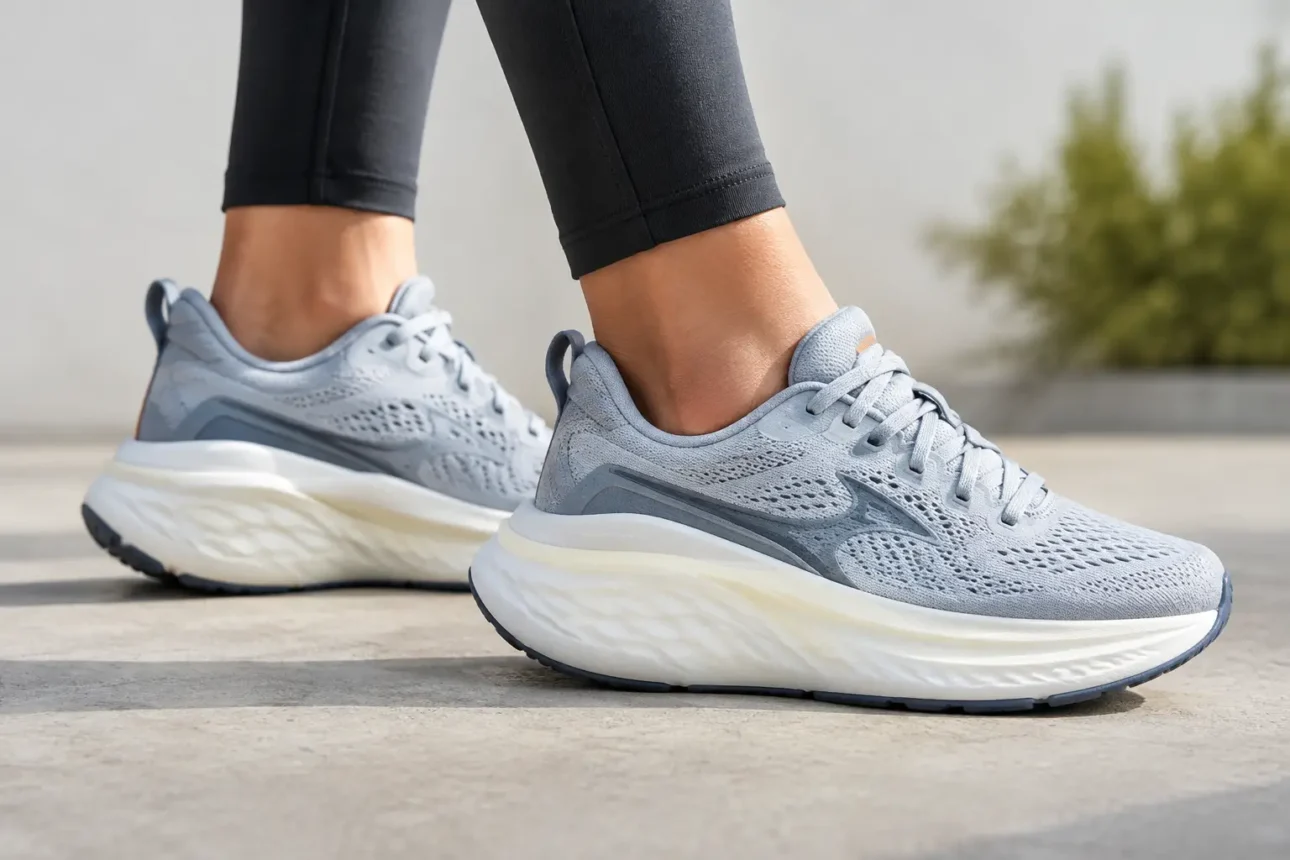
A shoe can look clean on the shelf and still feel terrible by lunchtime. Usually, the problem is under your foot. Foam midsoles are the thick layer between the outsole and your foot, and they do most of the work when you walk, stand, or run.
They are also easy to misunderstand. More foam does not automatically mean more comfort. Softer does not always mean better. And a bouncy shoe that feels fun for five minutes can feel unstable after a long shift. What matters is how the shoe feels when your feet are tired, not when you first stand up in the store.
Every step creates impact. The midsole foam compresses when your foot lands, then rebounds as you push off. That can make walking feel less harsh, reduce the dead feeling you get from thin flat shoes, and help a run feel smoother.
But foam is not there just to make a shoe feel squishy. A good midsole has to balance cushioning, support, and stability. Too soft, and your foot can sink or roll around. Too firm, and the shoe may feel like it is fighting you. The right feel depends on what you do all day, your body weight, how you walk, and the shape of your feet.
If you stand for eight hours, you usually need a different setup than someone doing short, quick runs. If you walk 10 miles on pavement, a firm, steady platform may feel better than a huge marshmallow underfoot. That is why copying someone else’s favorite shoe can be a bad move.
We keep it simple. Think about the job your shoes need to do.
Soft foam feels plush when you step in. It is a solid choice for easy walking, recovery days, casual wear, and long periods on your feet if the shoe also has a stable base. Shoes with thick, soft midsoles can take some sting out of hard sidewalks. Hoka Bondi models are a familiar example of this category.
The trade-off is control. Very soft foam can feel wobbly, especially when you turn corners, walk on uneven ground, or carry heavy bags. Some people love that sink-in feel. Others feel like they are standing on a mattress and hate it.
Firm foam gives you a more planted ride. It tends to last well, feels predictable, and can be a better pick for work shoes, everyday walking, and people who do not like their feet sinking into the shoe. Firm does not have to mean harsh. A well-shaped, moderately firm midsole can roll you forward nicely without feeling stiff.
Bouncy foam has more spring. It is common in running shoes designed to feel lively and quick. You will often see lighter, more responsive compounds in shoes from brands like Nike, Adidas, New Balance, and On. For runs, that rebound can be nice. For a quiet day at work, it may not matter much.
Our honest take: do not buy a bouncy shoe just because the first step feels exciting. If you are mostly walking the dog, commuting, and standing at a counter, stable comfort beats a flashy sensation every time.
Most everyday sneakers use EVA foam, or a close variation of it. EVA is light, common, and can be tuned from soft to firm. It is a good all-around material, which is why it shows up in so many walking shoes and lifestyle sneakers.
Some midsoles use TPU-based foam, nitrogen-infused foam, or other blends designed for more energy return and durability. These materials can feel springier and may hold their shape longer, but the name on the hangtag is not the whole story. The foam formula, the thickness, the shoe’s shape, and the outsole all change the ride.
Then there are lighter performance foams, often used in running shoes. They can make a shoe feel fast without adding much weight. The downside is that some are less durable for daily pavement grinding, and some feel too unstable for people who need a steady platform.
Do not get stuck on material names. Put your attention on the feeling underfoot. Does it feel controlled? Does your heel sit securely? Can you walk naturally in it? Those answers matter more than a complicated foam label.
Max-cushion shoes have earned their place. If your feet feel beaten up after long walks or hard floors, extra stack height can be a real relief. A thick midsole puts more material between you and the ground, so pavement feels less sharp.
Still, high-stack shoes are not for everyone. The higher your foot sits, the more the shoe needs a wide base and good structure to stay stable. A tall, narrow shoe with very soft foam can feel awkward. It may also make you feel less connected to the ground, which some walkers and runners do not like.
For daily use, we like a shoe that gives you enough cushion without asking your ankles to do extra work. Models such as the Brooks Ghost Max and several Hoka walking-focused shoes make sense for people who want more protection underfoot. But if you prefer a lower, more natural feel, a moderate midsole can be the smarter buy.
The best foam setup changes with the day you have planned.
For work shifts and standing, look for a stable shoe with moderate-to-soft cushioning, a secure heel, and a base that is not narrow. Your feet spread as the day goes on. A shoe that feels fine first thing in the morning can become cramped and tiring by 5pm. Leave a little room in the toe box and do not ignore fit just because the foam feels nice.
For walking, consistency matters. You want cushioning that does not flatten out quickly and a smooth transition from heel to toe. A slightly rockered sole can help some people move through their stride, especially on long pavement walks. If a shoe feels tippy or overly tall during a normal walk, skip it.
For running, your pace and distance matter. Easy runners often do well with a cushioned daily trainer that feels stable enough for tired legs. Faster workouts may call for a lighter, snappier foam. You do not need the most aggressive shoe in the store for a few weekly runs. A comfortable daily trainer you actually want to wear is worth more than a speed-focused pair collecting dust.
Midsoles do not always look worn when they stop feeling good. Foam gradually loses its pop and its ability to cushion impact. You may notice that your legs feel more tired than usual, the shoe feels flat, or one side of the midsole looks more compressed than the other.
Running shoes often wear out before the upper tears. Lifestyle sneakers can last longer when used casually, but daily work and walking still take a toll. Check the outsole too. If the rubber is worn smooth in one area, the shoe may no longer sit evenly.
Do not force a pair to last forever just because it still looks presentable. When the midsole is done, your body usually tells you before the shoe does.
Try shoes on later in the day if you can. Your feet are usually a little larger then, which gives you a more honest fit. Wear the socks you normally use. Walk around, turn, and pay attention to your heel and arch.
A good shoe should feel comfortable without a break-in speech. There should be no sharp pressure, no heel slipping, and no need to curl your toes to feel secure. Push down on the foam if you want, but trust your walk more than your thumb. A foam midsole can feel soft in your hand and still be wrong for your stride.
At The Sneaker Base, we would rather help you find a shoe that feels boringly good all day than sell you one that feels impressive for thirty seconds. Start with the kind of day you actually have. Your feet will give you the real review.