Cart
No products in the cart.
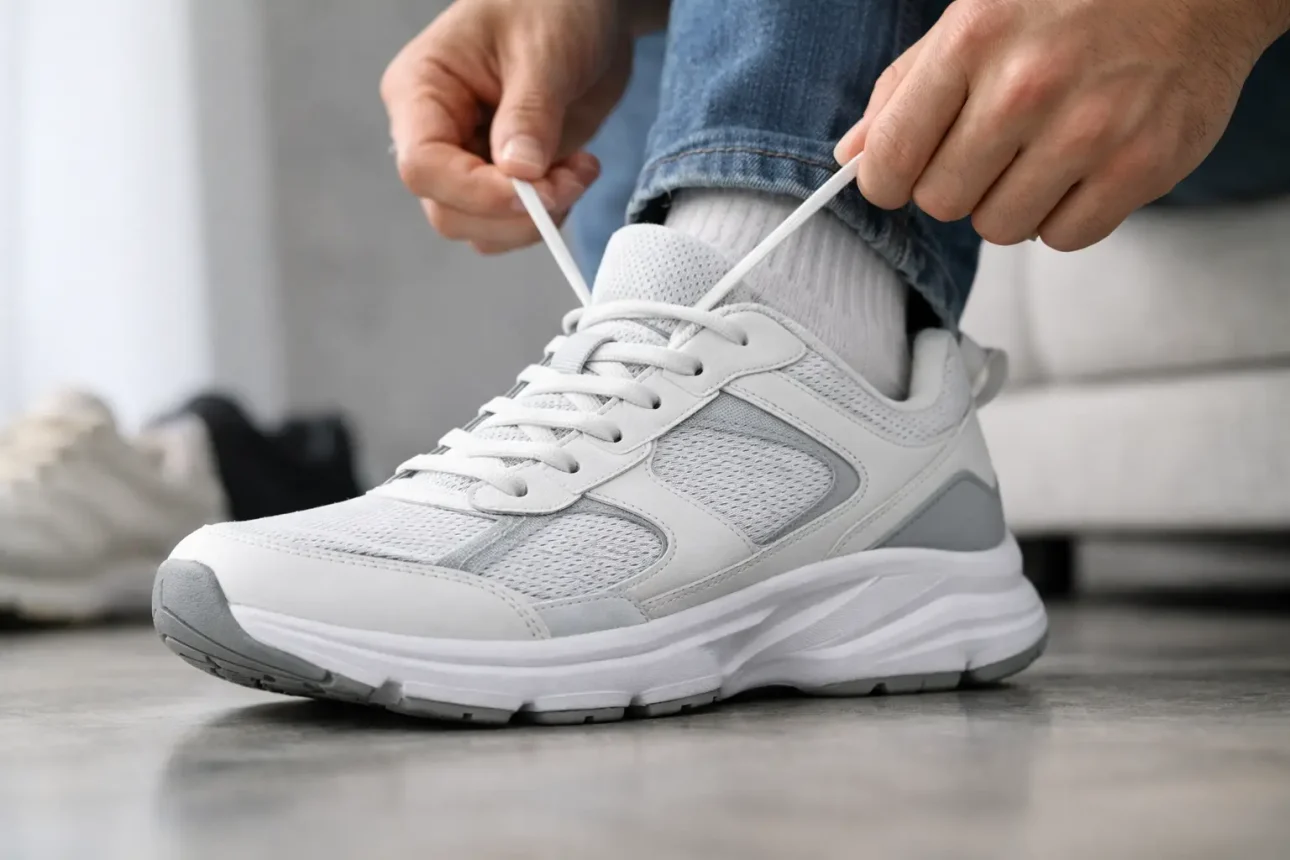
If you have wide feet, you already know the usual sneaker advice is mostly useless. A shoe can look good, get great reviews, and still feel terrible by lunchtime. Tight toe box, rubbing on the sides, numb toes, heel slip because you sized up – we’ve seen it all. The best sneakers for wide feet are the ones that give you real room without turning your foot into a loose mess.
That sounds obvious, but plenty of brands still get it wrong. Some make a shoe soft but narrow. Some offer wide sizing, then keep the toe box shaped like an arrow. And some pairs feel great for 20 minutes, then start pressing in once you’re on your feet all day. So instead of chasing hype, we look at what actually matters: shape, width options, cushioning, and whether the shoe still feels good at 5 pm.
A wide-foot friendly sneaker is not just a standard shoe in a bigger size. That usually creates more length, not more usable space. You end up with extra room in front, while the sides still squeeze. Not worth it.
What you want is a shoe with a naturally broader platform, a toe box that lets your toes spread, and an upper that doesn’t pinch across the forefoot. Wide sizing helps, but shape matters just as much. New Balance is usually strong here. Brooks also tends to be reliable. Hoka can work well, especially if you want a soft ride. Nike is more hit or miss. Adidas depends heavily on the model.
The other part is purpose. A wide-foot runner needs something different from someone standing at work all day. If you’re walking a lot, soft cushioning and a stable base usually matter more than speed. If you’re running, the shoe needs enough room up front without feeling sloppy through the middle of the foot. If you’re buying for everyday wear, comfort still matters, but so does whether you’ll actually want to put them on with normal clothes.
If your feet are tired before the day is half over, go for something with a lot of cushion and a stable ride. The Hoka Bondi is one of the first pairs we’d look at. It’s not subtle. It’s got a thick sole, and some people hate the look. Fair enough. But if you’re standing, walking, and dealing with hard floors, it earns its spot.
The Bondi works because it feels soft without collapsing under you. In wide sizing, it gives you a better chance of avoiding that squeezed forefoot feeling that ruins a long day. It’s a good pick for work, travel, and daily walking. If you want sleek, this isn’t it. If you want relief by the end of the day, it makes a strong case.
The Brooks Ghost Max is another solid option. It feels a little more controlled than the Bondi, and for some people that’s better. Too much softness can be tiring if the shoe feels unstable. The Ghost Max has plenty of cushion, but it doesn’t feel mushy. If you want comfort without feeling like you’re standing on foam blocks, this one makes sense.
Walking shoes for wide feet need to do one simple thing well: stay comfortable for miles without rubbing, pinching, or making your stride feel awkward. New Balance is usually one of the safest bets here because the brand has built a reputation on fit, not just looks.
If you like a more classic sneaker shape, a 990-style New Balance is tough to beat. It has a broad base, a more forgiving fit than most trend-driven sneakers, and enough support for daily use. It also looks better with regular clothes than most heavy-duty walking shoes. That’s not a small thing. If you hate how your shoes look, you won’t wear them.
If your priority is pure function, the Brooks Addiction Walker deserves a look. It’s not exciting. We won’t pretend otherwise. But it is steady, roomy in the right versions, and made for people who rack up serious walking time. For long shifts, errands, travel days, and everyday pavement miles, ugly-but-comfortable can be the right trade.
For running, wide fit gets more complicated. You need enough room for toe splay, especially as your feet swell during a run, but not so much that your foot slides around. That’s why some soft, stretchy lifestyle shoes fail fast once you start moving.
The Brooks Adrenaline GTS is a dependable option if you want structure. It’s especially good for runners who like a stable feel but don’t want a brick on their foot. In wide sizing, it gives you more room without losing that secure hold through the midfoot. We like it for easy runs, beginner training, and people who just want a reliable shoe that doesn’t fight them.
If you prefer a softer, more relaxed ride, the New Balance Fresh Foam X 1080 is a better fit. It has a smooth feel underfoot and usually works well for runners who want cushion without going full marshmallow. Some max-cushion shoes feel nice at first and then get sloppy. The 1080 generally avoids that. It’s a strong option for wide-foot runners who want comfort for daily miles.
The Hoka Arahi is worth a look if you want support but think the Bondi feels too bulky. It still has that Hoka style of cushioning, but the ride is more guided. For some runners, that’s exactly what keeps the shoe comfortable over longer sessions. For others, it can feel a little too controlled. This is one of those it-depends choices.
Not everybody shopping for wide-foot sneakers is training for anything. Sometimes you just want a pair that looks clean, feels good, and doesn’t punish your feet after a few hours out.
The New Balance 574 remains a smart casual option for wider feet, especially if you want something easy to wear with jeans, joggers, or everyday basics. It’s not the plushest shoe on this list, but it usually fits more forgivingly than a lot of slim lifestyle pairs. For casual use, that matters more than max cushioning.
The Adidas Gazelle looks sharp. We get why people want it. But if your feet are seriously wide, we’d be careful. This is a good example of a shoe that works for some wide-foot shoppers and absolutely does not work for others. The shape is lower and more tapered than a lot of people expect. If your width is mild and style comes first, maybe. If your feet are broad across the forefoot, we’d skip it.
The Asics Gel Kayano sits in an interesting middle ground. It’s built like a running shoe, but plenty of people wear it as an all-day comfort sneaker. If you want something that feels supportive and modern without going too chunky, it’s a fair pick. It won’t suit everybody, but for wide-foot shoppers who want comfort and a cleaner performance look, it’s worth trying.
If we had to point wide-foot shoppers in a few safe directions, we’d start with New Balance, Brooks, and Hoka. They tend to offer better width options and more forgiving shapes across key models. That doesn’t mean every shoe from those brands works. It means your odds are better.
Nike is where people often get burned. Some Nike shoes are fine, but a lot of them run narrow, especially in lifestyle models. If you have genuinely wide feet, don’t buy a Nike pair just because the color is good and hope for the best. That’s how shoes end up in the closet unworn.
Adidas is mixed. Performance models can be decent. Retro styles can be tight. Puma tends to lean narrower too, especially in sleeker models like the Speedcat. Great look. Not always a great fit for wider feet.
Start by being honest about how wide your feet actually are. If most shoes feel tight at the sides, or you regularly size up just to get breathing room, stop pretending a standard width will break in. Sometimes it softens. Sometimes it just keeps rubbing.
Next, think about when the discomfort shows up. If your feet hurt after standing all day, choose cushion and stability over low-profile style. If running is the goal, focus on forefoot room and lockdown through the middle. If it’s mostly casual wear, don’t overbuy technical features you won’t use.
And don’t ignore the upper. A soft knit can help, but only if the shape underneath makes sense. A narrow sole with stretchy fabric is still a narrow shoe. It just hides it better for a few hours.
At The Sneaker Base, we always think this comes back to one simple question: will this shoe still feel right after a full day, not just the first try-on? That’s the filter worth using.
Wide feet don’t mean settling for ugly shoes or buying a size too big and hoping for the best. It just means being pickier about shape, fit, and what the shoe is actually built to do. The right pair should feel easy from the start. If it feels tight in the box, it’s probably not the one.