Cart
No products in the cart.
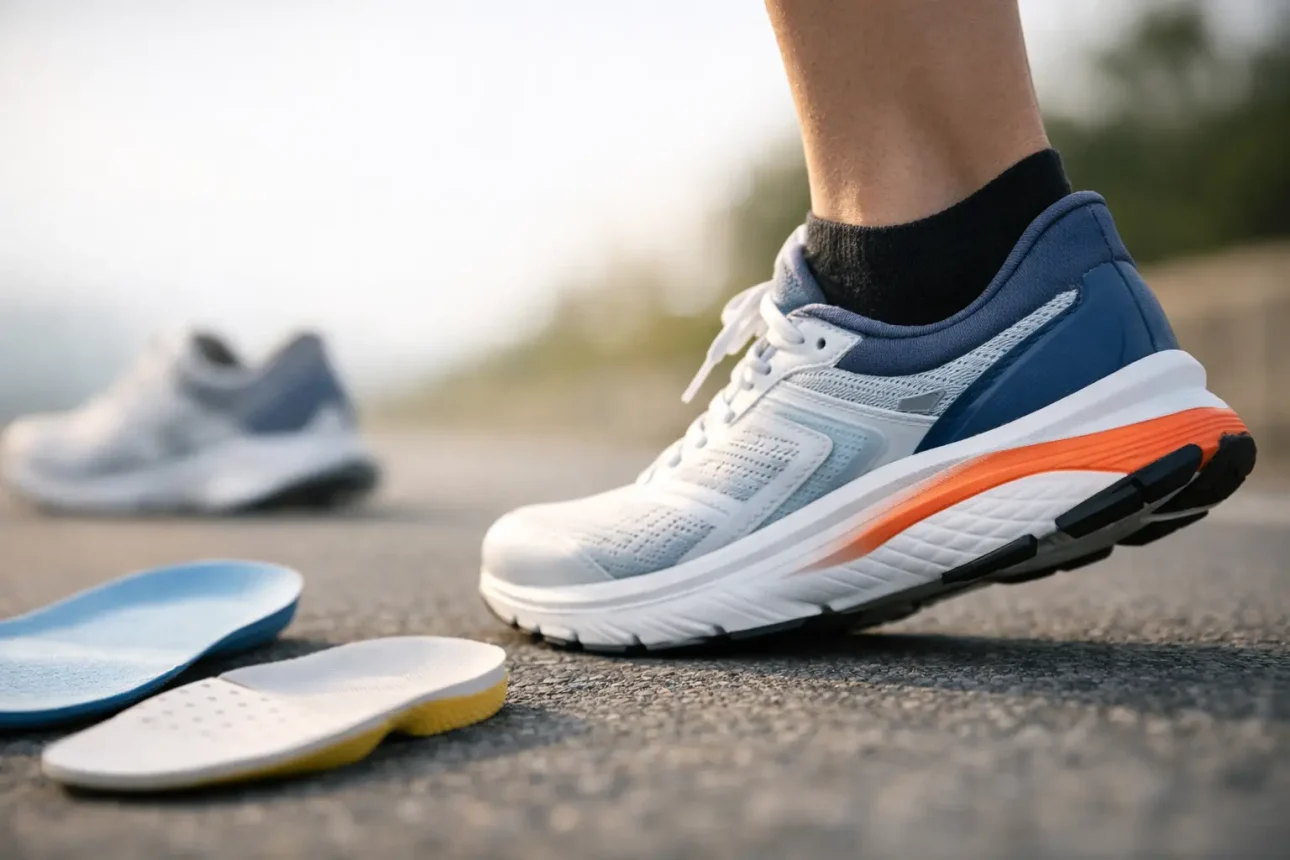
Most people don’t need more shoe tech. They need their feet to stop feeling beat up after a run, a walk, or a long shift. That’s where a real running shoe cushioning guide helps – not by throwing foam buzzwords at you, but by helping you figure out what actually feels good and holds up.
Cushioning gets talked about like more is always better. It isn’t. Some soft shoes feel amazing for twenty minutes, then start feeling mushy and sloppy. Some firmer shoes feel a little plain at first, then turn out to be the pair you keep reaching for because your feet feel more stable and less tired. That’s the trade-off. Comfort is not just softness.
The first thing to know is that cushioning is about feel, not just stack height. A thick shoe can still feel firm. A lower shoe can still feel forgiving. Brands use different foams, different shapes, and different midsoles, so two shoes with similar numbers on paper can feel nothing alike on foot.
What matters more is how you use the shoe. If you’re doing easy runs, long walks, and everyday miles, you probably want cushioning that takes the edge off without making the ride unstable. If you’re on your feet all day, the same rule applies. Your foot usually wants impact protection and support, not a giant pillow that lets you wobble around by 5 p.m.
We’d put it simply. Good cushioning should do three things. It should soften impact, keep your stride feeling smooth, and still let you feel in control. If one of those is missing, the shoe can get annoying fast.
Soft cushioning is the one most people think they want first. It feels plush underfoot and usually wins the quick try-on test in the box. For walking, recovery runs, and long easy miles, that can be a solid choice. Models in the Hoka Bondi lane or max-cushion Brooks and New Balance options often appeal here because they take the sting out of pavement.
But very soft isn’t perfect for everyone. If you pronate a lot, if your ankles get tired, or if you just hate that sinking feeling, soft foam can feel loose. Some people love it. Some people feel like they’re fighting the shoe.
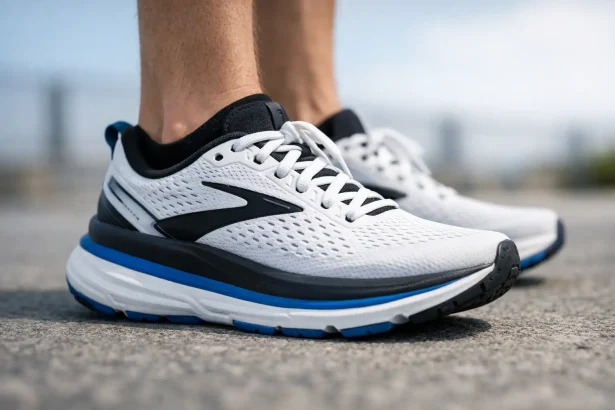
Balanced cushioning is the safe bet for most runners and walkers. Not too squishy. Not too hard. Just enough give to stay comfortable, with enough structure to stay steady. This is usually where daily trainers shine. Think shoes in the Brooks Ghost, Asics Gel Cumulus, or Nike Pegasus range. They don’t always get the loudest praise online, but a lot of those “boring” shoes are boring for a reason – they work.
Firm cushioning gets overlooked because it rarely feels exciting in the first minute. Still, it can be the right call if you like a more stable ride, want better ground control, or don’t trust super-soft foam. Firmer shoes often feel more predictable through corners, faster paces, and longer days on your feet. They can also hold their feel better over time.
This is where people get tripped up. A max-cushion shoe can be great for recovery days, heavier runners, or anyone who wants extra protection from hard surfaces. It can also be too much shoe for someone who wants a natural stride, a lighter feel, or quicker turnover.
High stacks can reduce road shock, but they also change how the shoe rides. Some feel tall. Some feel clunky. Some are smooth and easy. It depends on the foam and the platform. If you’re new to running, don’t assume the biggest midsole is the smartest buy. Sometimes a moderate daily trainer is the better all-around pick because it handles more situations without feeling awkward.
If you’re walking all day rather than running, max cushion can still make sense, but only if the shoe stays stable. That’s the key. A soft, tall shoe that leans or collapses at the edges can get tiring. A cushioned shoe with a wide base usually feels better over long hours.
Your weight, pace, distance, and running style all affect what cushioning feels best. Heavier runners often compress foam more, so a shoe that feels nicely soft to one person may feel flat to another. Lighter runners sometimes struggle to “activate” denser midsoles and end up preferring something softer.
Pace matters too. For easy runs and daily miles, more forgiving cushioning usually feels better. For tempo work or quicker efforts, overly soft shoes can feel slow and sloppy. That’s why some runners keep two pairs – one cushioned cruiser and one more responsive option. If you’re only buying one pair, aim for the middle.
Then there’s simple wear time. If you’re buying shoes for ten-mile walks, commuting, errands, and standing shifts, your best cushioning choice may not be the same as your best short-run choice. All-day comfort is about pressure relief and stability, not just softness when you first step in.
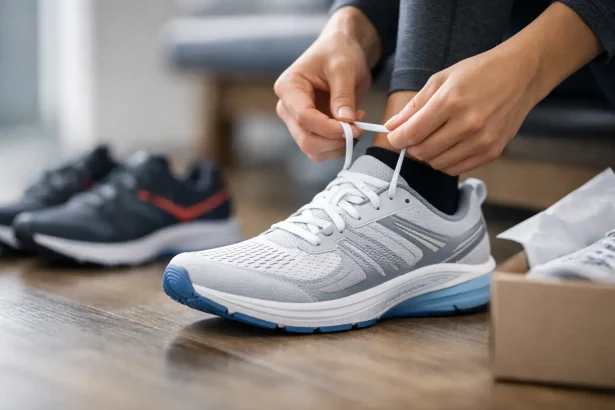
A badly fitting cushioned shoe is still a bad shoe. If your heel slips, your toes are cramped, or the midfoot feels too tight, the cushioning won’t save it. In fact, extra-soft shoes can feel worse when the fit is off because your foot moves around more inside the shoe.
We’d rather see someone in a well-fitting balanced shoe than a max-cushion model that rubs in all the wrong places. Look for enough room in the toe box, a secure heel, and a midfoot hold that feels snug without pressure. If you wear thicker socks or your feet swell during long runs, leave room for that.
This is also why brand loyalty only goes so far. Hoka, Asics, Brooks, New Balance, Nike, On, Adidas – they all make cushioned shoes that work for someone. None of them fit exactly the same. A great foam with the wrong shape for your foot is still the wrong shoe.
If you want the quick version, most people shopping for comfort end up in one of three lanes.
The first is the max-cushion lane. This is for the runner, walker, or worker who wants impact protection first. Think long shifts, long walks, easy miles, and tired legs. These shoes can feel great, but some are bulky, and not all of them are stable.
The second is the daily trainer lane. This is our default pick for most people. Enough cushioning to stay comfortable. Enough structure to stay useful. Good for mixed use. If you’re stuck and just want one pair that can handle real life, start here.
The third is the responsive lane. Still cushioned, but less soft and more direct. Better if you hate mushy shoes or want a snappier ride. Usually not the first choice for sore feet after twelve hours standing, but often better for runners who want more control.
Don’t buy based on foam names alone. Every brand has a label for its midsole, and most of those names tell you almost nothing about how the shoe will feel to you.
Don’t buy the softest thing in the store after standing in it for thirty seconds. That’s how people end up with shoes that feel great in the morning and annoying later.
And don’t let looks make the whole decision. Some of the best cushioned shoes are clean and sharp. Some are a little ugly. If a shoe is ugly but your feet feel good after eight hours, we’re taking comfort. Every time.
If you’re new to all this, go balanced before you go extreme. A solid daily trainer is usually the smartest first buy. It gives you enough cushioning for comfort, enough versatility for real life, and fewer surprises. Shoes like that don’t always get all the attention, but they earn their keep.
If your feet feel cooked after every walk or shift, then yes, move toward more cushion – but keep an eye on stability and fit. If you’ve tried soft shoes and hated the wobble, don’t force it. A firmer ride can still be comfortable. It just feels different.
At The Sneaker Base, we like shoes that make sense once the day gets long. Not just on the first step. Not just in the product photos. The right cushioning is the one that still feels good when you’re tired, distracted, and just trying to get home. Start there, and you’ll usually end up in the right pair.