Cart
No products in the cart.
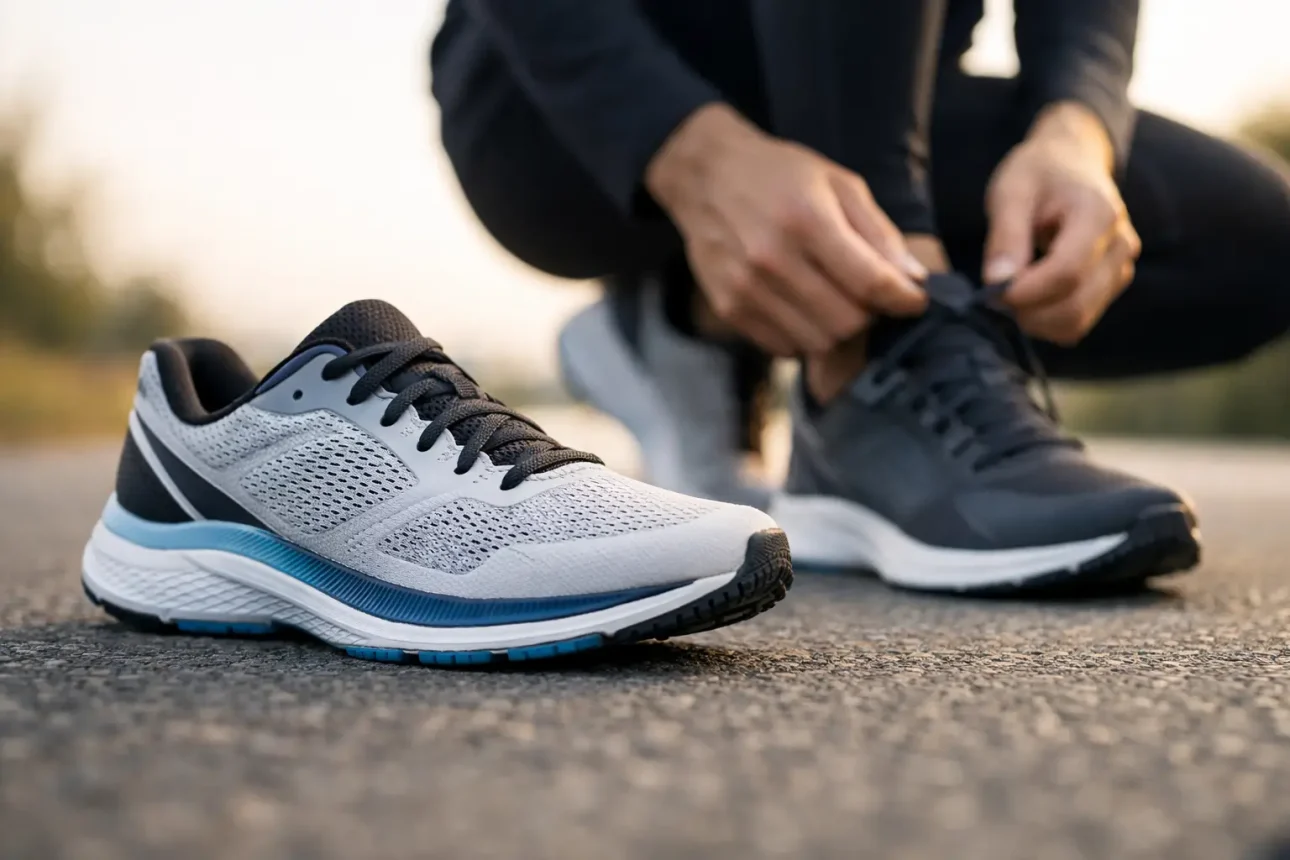
Most beginner runners make the same mistake. They buy the light, fast-looking shoe because it looks like a running shoe should look. Then two weeks later, their feet are cooked, their calves are tight, and the runs stop feeling fun.
The best running shoes for beginners are usually not the flashiest pair on the wall. They are the ones that feel stable, forgiving, and easy from the first mile. If you’re just getting started, that matters a lot more than speed, carbon plates, or whatever the internet is obsessing over this month.
If you’re new to running, your body is still getting used to the impact. Your feet, ankles, calves, and knees are doing work they might not be used to yet. That means your first shoe should help smooth things out, not make the job harder.
We usually tell beginners to look for three things first: comfort, cushioning, and a fit that feels natural right away. Not after a break-in period. Not after swapping insoles. Right away.
A solid beginner shoe should give you enough cushion to take the edge off pavement, enough structure to keep you feeling planted, and enough room in the toe box so your feet do not feel cramped halfway through a run. If the shoe feels weird when you try it on, trust that feeling. Running will not magically fix it.
There is no single winner for everyone. Your size, stride, pace, and what kind of runs you actually do all matter. Still, some models are easier to recommend because they are consistent, forgiving, and hard to hate.
If you want one of the safest picks in this whole category, this is it. The Brooks Ghost Max is cushioned, stable without feeling stiff, and easy to get along with. It is not a sexy shoe. That is part of the appeal.
We like it for beginners because it keeps things simple. Soft enough for daily runs, supportive enough for long walks, and comfortable enough if you’re mixing running with regular life. If you’re on your feet a lot and want one pair to do more than one job, this is a strong option.
The trade-off is that it feels a little bulky. If you want something super quick and low to the ground, this is not that shoe.
The Bondi is one of those shoes people either love immediately or think looks a bit ridiculous. Fair enough. But if your priority is impact protection and a very cushioned feel underfoot, it does the job.
For beginners, that big stack of foam can make short runs feel less harsh. It is especially nice if you run on concrete or if walking is part of your daily routine too. We would take this over a lot of trendier shoes that look cleaner but feel dead after 30 minutes.
What you give up is ground feel. Some runners want to feel connected to the road. The Bondi is more about comfort than precision.
Not every beginner needs a support shoe, but some do feel better in one. If your stride feels wobbly or you know you tend to roll inward a lot, the Gel Kayano is worth a look.
This has been a dependable option for years for one reason: it works. It gives you cushioning and guidance without feeling like a medical device. That matters, because some support shoes feel clunky and overbuilt. The Kayano usually stays on the right side of that line.
It is not cheap, and some casual runners may find it more shoe than they need. But if neutral shoes leave you feeling unstable, this is one we trust.
Some beginners hate heavy shoes. They want something that feels quick, clean, and less bulky on foot. The New Balance Hyperion makes sense there.
We would not call it the most forgiving beginner shoe, but it works well if you already know you prefer a lighter ride and you are not looking for max cushion. It feels smoother and more agile than a lot of daily trainers.
The downside is obvious. Less foam means less protection on longer or slower runs. If you are brand new and just building consistency, most people will be better off starting with something softer.
This is the category a lot of beginners should start in. Daily trainers from brands like Adidas, Nike, Brooks, and Asics are made to handle regular miles without feeling too specialized.
A shoe like the Adidas Supernova gives you a bit of everything: enough cushion, enough support, and no weird personality. That may sound boring, but boring is good when you’re starting out. You do not need a shoe that demands a certain pace or running style. You need one that lets you get out the door again tomorrow.
Start with your real life, not some fantasy version of yourself. Are you running two or three times a week? Mixing jogging with walking? Doing short treadmill sessions after work? Buy for that.
If you are mostly doing easy runs, get a daily trainer with decent cushioning. If your feet get tired fast on hard surfaces, lean toward something softer like the Bondi or Ghost Max. If you feel unstable or want more guidance, look at the Gel Kayano or another support-focused option.
Fit matters more than brand loyalty. Nike might work for your friend and feel terrible on you. On might look sharp and still not suit your foot shape. We have seen people force themselves into the wrong brand because they like the logo. Bad move.
Try shoes on later in the day if you can, when your feet are a little more swollen. Wear the kind of socks you actually run in. Make sure there is a thumb’s width in front of your longest toe. Your heel should feel secure, not locked in like a ski boot.
Skip race shoes. Seriously. Carbon-plated shoes and stripped-down speed models are fun for experienced runners who know what they want. For beginners, they are usually a waste of money and sometimes just uncomfortable.
Skip shoes that feel good only when you stand still. Some pairs feel soft in the store and weird once you start moving. What matters is how the shoe rolls through your stride and whether it still feels good after 20 or 30 minutes.
Skip the flattest casual sneakers if you plan to actually run in them. A lifestyle shoe might look clean, but if you are trying to put in real miles, it is the wrong tool for the job.
And skip buying based only on hype. Some shoes get a lot of attention because they photograph well or because runners online love talking about them. That does not mean they are the best running shoes for beginners.
You do not need the most expensive pair to get a good run. Some premium shoes are worth it, especially if the fit is spot on and you use them often. But plenty of beginner-friendly models hit the sweet spot without getting silly on price.
We would rather see you buy one solid pair that you actually enjoy wearing than overspend on a top-tier model that feels wrong. Comfort beats specs. Every time.
If you want the easiest recommendation, start with a dependable daily trainer or a max-cushion shoe that feels good right away. The Brooks Ghost Max, Hoka Bondi, and Asics Gel Kayano are all safe bets depending on how much softness or support you want. If you prefer a lighter ride, then look at something like the Hyperion, but only if you know you do not want a big cushioned shoe.
The right beginner shoe should make running feel simpler, not more technical. That is the whole point. If you lace them up and forget about your feet after ten minutes, you’re probably in the right pair.
And if a shoe looks amazing but feels off, leave it on the shelf. Your first runs should build confidence, not buyer’s remorse.