Cart
No products in the cart.
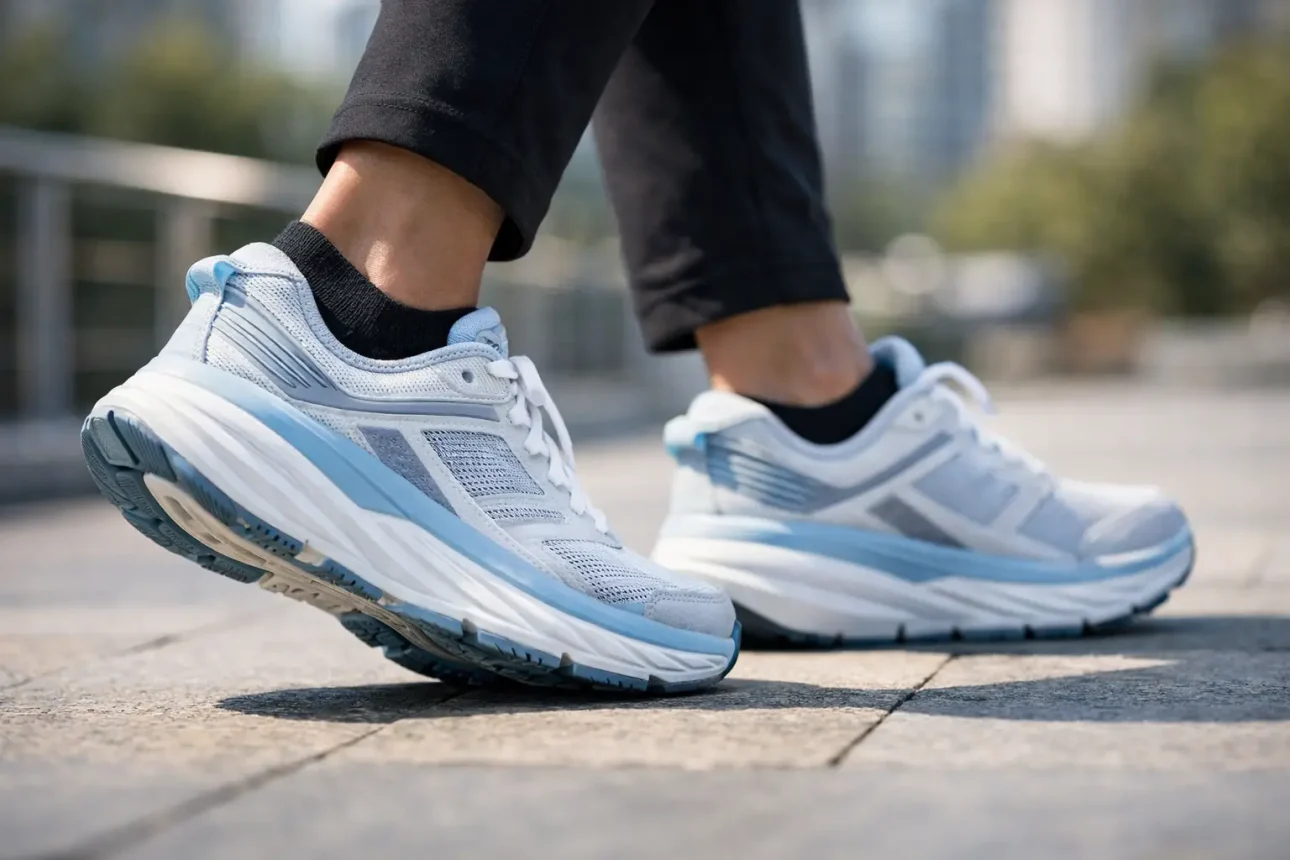
By the time your feet start talking, the day is already shot. That’s why so many people ask about hoka bondi for daily walking. Not for race day. Not for gym selfies. Just for real life – long shifts, errands, city miles, travel days, and those stretches where you realize you’ve been on your feet for hours.
Our short answer: yes, the Bondi is one of the better walking shoes in the Hoka lineup. But that doesn’t mean it’s right for everyone. It’s soft, cushioned, and easy on tired legs. It’s also bulky, a little clunky-looking, and not the most natural-feeling shoe if you like a low-to-the-ground ride.
The Bondi has one job. Keep impact feeling less harsh. That’s the whole appeal.
If you spend all day on concrete, hard floors, or sidewalks, that thick midsole can feel like a relief. Not magic. Not a cure for anything. Just less pounding underfoot. For a lot of walkers, that means feet that feel less beat up at the end of the day.
We like the Bondi because it doesn’t try to be fast or flashy. It’s built for comfort first. The step-in feel is soft. The platform is broad. The ride is stable for a max-cushion shoe. That matters because some super-soft shoes feel nice for five minutes, then start feeling wobbly. The Bondi usually avoids that.
There’s also a simple reason it keeps showing up on people’s lists: it works for boring, everyday use. Standing at work. Walking the dog. Airport terminals. Weekend shopping. This is not a shoe you have to think about much once it’s on your feet.
The first thing you notice is the stack height. There’s a lot of shoe under you. If you’ve been wearing flat sneakers, the Bondi can feel strange at first. Not bad. Just different.
Then you notice the cushioning. It’s plush, but not sink-in-and-disappear soft. That’s a good thing. For daily walking, too much softness can get tiring because your foot has to work harder to stay steady. The Bondi usually lands in a better spot. Soft enough to take the edge off. Firm enough to keep moving without feeling sloppy.
The rocker shape helps too. Hoka uses that curved sole to roll you forward. For walkers, that can make the shoe feel smoother than the size suggests. You’re not flexing the forefoot much. You’re kind of rolling through the step. Some people love that right away. Others need a few wears to get used to it.
If your current shoes feel flat, harsh, or dead by midday, the Bondi will probably feel like an upgrade. If you already wear cushioned trainers and like a more connected feel, it may seem a bit too much.
This is where people get tripped up. A comfortable shoe on paper can still be wrong on your foot.
The Bondi usually has a secure heel and a padded upper that feels forgiving, especially for all-day wear. But the fit can depend on the version and your foot shape. If you have a wider foot, don’t assume the standard fit will work just because the upper looks roomy. Some people do fine. Some need a wide option straight away.
Toe box space is decent, but not massive. If your toes hate being crowded, pay attention. For daily walking, little fit issues get bigger fast. A shoe that feels okay for 20 minutes can be annoying after five miles.
We’d also say this: don’t size up just because the shoe looks chunky. Go by fit, not appearance. Too much extra length in a rocker shoe can make the ride feel awkward.
Sometimes yes, sometimes no. That’s the honest answer.
If your foot is slightly wide, the Bondi may feel fine, especially in wider versions. If your foot is very wide or you hate any pressure around the forefoot, you need to be more careful. The cushion gets the headlines, but width is what decides whether you’ll actually wear the shoe every day.
This is a strong pick for people who rack up a lot of low-drama miles. We mean steady walking, standing, commuting, and long days where comfort matters more than speed.
It’s especially good for hard surfaces. Concrete is where softer, max-cushioned shoes earn their keep. On wood floors, tile, and pavement, the Bondi helps take the sting out of repetitive impact.
We also like it for travel. If you’re moving through airports, train stations, city streets, and hotel lobbies all day, this kind of cushioning starts making sense. The same goes for work if your job keeps you upright for hours.
That said, the Bondi is not the most flexible shoe, and it’s not the most nimble. If your day includes quick direction changes, ladder work, or lots of bending and crouching, it may feel too big and too stiff.
Let’s be real. The Bondi is not a subtle shoe.
It looks big because it is big. Some colorways look clean. Some look like orthopedic spaceships. If style matters a lot to you, this is either part of the charm or a dealbreaker.
Weight is another factor. The Bondi isn’t painfully heavy, but it doesn’t disappear on foot either. For casual daily walking, that’s usually fine. For someone who wants a lighter, more natural stride, it can feel like overkill.
There’s also the height. A tall shoe can feel less stable for some people, even with a broad base. If you strongly prefer being close to the ground, don’t expect the Bondi to change your mind overnight.
And then there’s price. Hoka doesn’t usually come cheap. If you walk a ton and actually use the cushion, the cost can make sense. If you just want a decent shoe for occasional errands, you may not need this much shoe.
A lot of people compare the Bondi to basic lifestyle sneakers and wonder if the upgrade is really worth it. Usually, yes.
Most everyday sneakers look better than they walk. They feel okay for short wear, then you start noticing the flat midsole, weak support, and tired feet later on. The Bondi is built with long wear in mind. That difference shows up around hour four, not minute four.
Compared to firmer walking shoes, the Bondi feels softer and more forgiving. Compared to many running shoes, it feels more stable than you’d expect from something this cushioned. It sits in a useful middle ground for people who don’t care about performance stats and just want their feet to stop complaining so much.
We’d point you toward the Bondi if you spend long hours walking or standing, if hard surfaces wear you down, or if your current shoes leave your feet feeling cooked by the end of the day. It’s also a solid choice if you want one shoe that can handle work, travel, and everyday walking without much fuss.
We’d tell you to skip it if you want a sleek sneaker, if you like ground feel, or if bulky shoes annoy you. Same if you mostly wear your shoes for short trips and casual use. The Bondi is best when you actually put the cushion to work.
If you’re between those two groups, think about your real routine. Not your ideal one. Not the one where you suddenly start walking six miles every evening. The one where you stand in the kitchen, commute, run errands, chase kids, work shifts, and end the day with sore legs. That’s where the Bondi makes the clearest case for itself.
We think the Bondi earns its reputation, but only if you buy it for the right reason. This is not the shoe you get because everyone online said it was comfortable. It’s the shoe you get because your days are long, your surfaces are hard, and your current pair isn’t cutting it.
If that sounds like you, the Bondi is worth a hard look. It’s soft without feeling useless, cushioned without being a total marshmallow, and dependable for everyday miles. It’s not cheap. It’s not pretty to everyone. It’s not for every foot. But for daily walking, it’s one of the safer bets in the max-cushion category.
What actually matters is how your feet feel at 5 p.m. If your shoes can help you get there with less fatigue and less complaining from the ground up, that’s money better spent than another pair that only looks good in the box.