Cart
No products in the cart.

A retro sneaker can make a basic outfit look sharp. It can also make your feet hate you by lunch. That is the part most trend talk skips. The best retro sneakers for men bring back the good looks of older court, track, and running shoes without asking you to spend the day on a thin slab of rubber.
We like retro pairs because they are easy to wear. Put them with jeans, work pants, shorts, or a plain tee and they usually make sense. But not every old-school shape works for real life. Some are clean and comfortable enough for everyday use. Others are better saved for a short walk, dinner, or a day when you know you will be sitting down.
Most retro sneakers have a simple job: look good without trying too hard. The shapes are familiar. Low-profile court shoes, suede track shoes, chunky runners, and indoor-soccer styles have been around long enough that they do not feel like a passing trend.
That simplicity matters if you do not want a closet full of shoes. A clean white leather pair works with dark jeans and chinos. A navy, gray, or black suede pair gives a casual outfit some texture without shouting for attention. A classic running-inspired shoe adds more cushion and usually feels better if your day includes commuting, errands, or hours on your feet.
The trade-off is straightforward. The flatter and more faithful a shoe is to its original design, the less support and cushioning it usually has. That does not make it bad. It just means a slim court sneaker is not the pair we would choose for a 10-mile walking day.
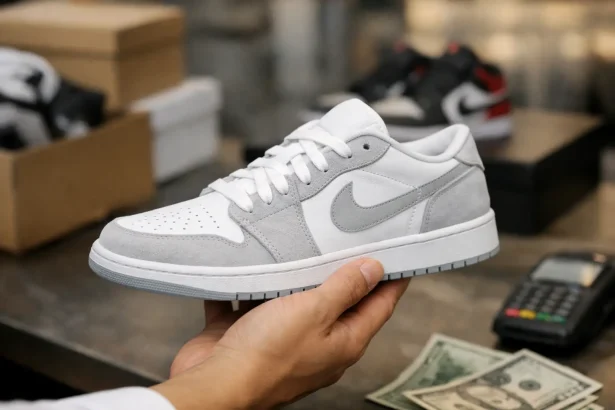
Court-inspired sneakers are the safest choice if your priority is a simple everyday look. Think leather uppers, low collars, and a flat sole. Adidas-style terrace shoes and classic tennis shapes fit here. They look right with almost anything casual, especially straight-leg jeans, cuffed chinos, and shorts.
We like court shoes for casual office days, weekends, and going out. But be honest about what they are. Many have limited arch support and modest padding underfoot. If your feet feel sore after a full shift, choose a pair with a thicker insole and a less rigid sole, or keep these as your style pair rather than your workhorse.
Suede track sneakers have a narrow, fast-looking shape. Models in the Gazelle and Speedcat lane are popular because they feel less bulky than modern trainers. They work especially well with relaxed jeans, wide-leg pants, and simple outfits where you want the shoe to add color.
They are not the most practical option in bad weather. Suede can mark easily, and thin outsoles do not offer much protection from wet sidewalks or rough pavement. A dark brown, charcoal, navy, or black pair hides daily wear better than pale suede. If you want one shoe for everything, leather is easier. If you want a lighter shoe with real character, suede is worth the extra care.
This is where style and comfort meet more often. Retro running shoes usually have layered uppers, wider bases, and more foam than flat court models. New Balance and Asics have done this shape well for years, and plenty of their runner-inspired designs still look good with normal clothes.
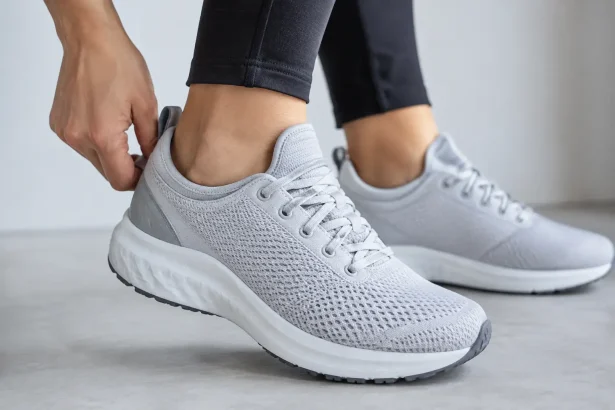
A retro runner is our pick for people who walk a lot, commute, stand at work, or simply hate the feeling of hard, flat sneakers. You get more underfoot padding and a more forgiving fit without stepping into a huge max-cushion running shoe.
There is a style trade-off. Some retro runners can look busy, especially with too many panels and colors. Keep it simple if you want them to work with most of your clothes. Gray mesh with suede overlays, off-white with navy, or black with neutral accents will take you further than a loud color mix you only wear twice.
Slim indoor-soccer sneakers are having a long moment. We get it. They look clean, sit close to the ground, and make loose pants look better. But they are not built for long days on concrete.
Buy this type if you like the look and your daily walking is light. Skip it as your only pair if you work on your feet or already know flat shoes leave your heels and knees feeling rough. Fashion is fine. Limping home because a shoe looked good in the mirror is not.
Start with your normal day, not your ideal outfit. If you drive to work, sit most of the day, and want something clean for evenings and weekends, a court shoe or suede track pair makes sense. If you walk to transit, run errands, and hit 8,000 to 12,000 steps without planning to, lean toward a retro runner.
Then look at the shape of your current shoes. If you usually feel cramped around the toes, avoid narrow, pointed silhouettes. Many classic track and indoor styles run slim through the forefoot. A wider toe box is not exciting in a product photo, but it matters at 5 p.m. when your feet have spread out after a long day.
The upper matters too. Leather is easier to wipe clean and tends to hold its shape. Suede looks better with age when you care for it, but rain and salt can be hard on it. Mesh breathes well and works nicely on retro runners, though it shows dirt faster than leather.
Finally, do not ignore the insole. A removable insole gives you options if you need more cushioning or use your own inserts. It is a small detail that can turn a good-looking shoe into one you reach for all week.
A shoe does not need to be plain white to be versatile. In fact, bright white leather can look tired fast if you wear it daily. Off-white, cream, gray, navy, gum sole brown, and black are easier to live with. They hide scuffs better and work across more seasons.
If your wardrobe is mostly black, navy, gray, and denim, try a sneaker with one muted color rather than a full rainbow. Green stripes, burgundy suede, or a yellow accent can add something without making the shoe the whole outfit. The goal is not to build every look around your sneakers. The goal is to put them on without thinking too hard.
Sizing varies more than people expect. A retro sneaker can feel true to size in length but tight across the top of the foot. Leather may soften a little after wear. A narrow toe box will not magically become wide, though.
Try shoes on later in the day if you can, when your feet are at their usual size. Wear the socks you normally use. Walk around indoors and pay attention to heel slip, toe pressure, and where the laces press down. A little snugness in a leather upper can be fine. Numb toes, rubbing at the heel, or a cramped forefoot are signs to size differently or choose another model.
Do not buy a size too small because the shoe looks sleeker that way. Nobody sees the size label. You feel it every step.
If you are building from scratch, we would rather see you buy one solid retro runner and one cleaner court shoe than chase five trendy pairs. The runner handles long days, travel, and casual walking. The court shoe covers dinners, weekends, and outfits where you want a sharper line.
If you can only buy one, choose based on your feet. People who spend all day standing should pick comfort first. A retro runner in neutral colors still looks good with jeans. People with lighter daily activity can get more use from a court sneaker, especially if they want a less sporty look.
At The Sneaker Base, we think the best retro sneaker is not the one everyone is posting. It is the pair that still looks good after a few scuffs, feels fine after a full day, and does not make getting dressed complicated. Pick that pair, wear it often, and leave the uncomfortable hype shoes for someone else.