Cart
No products in the cart.
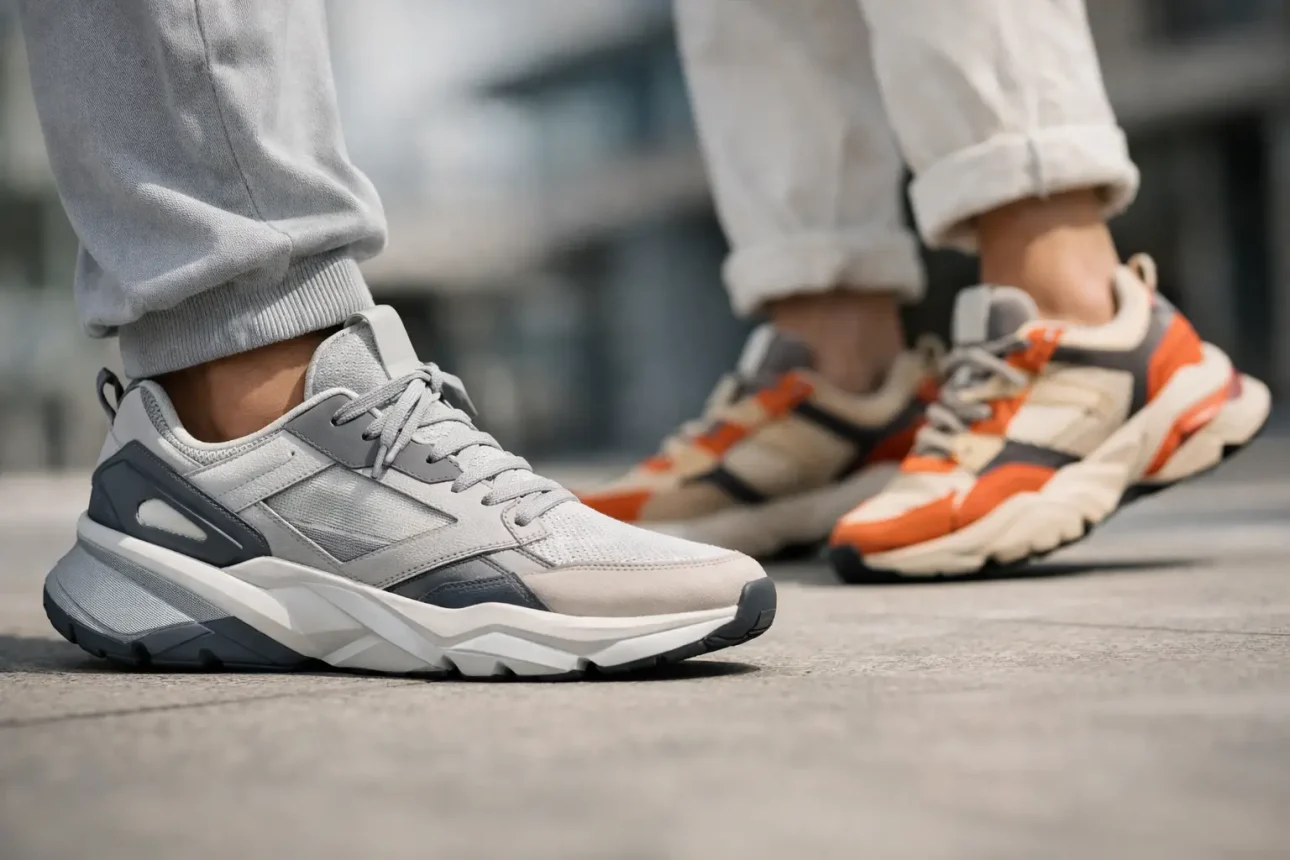
Your feet do not care what was popular on social media at 9 a.m. They care how the shoe feels when you’re still standing at 5 p.m. That is why sneaker trends 2026 are looking better than the trend cycle usually does: comfort is finally part of the look, not something hidden behind it.
We are seeing fewer shoes built only for photos and more pairs that can handle a walk, a commute, a grocery run, and a full day on your feet. Some styles are still purely fashion. That is fine. Just do not expect a thin, flat retro sneaker to feel like a cushioned running shoe. The best pick depends on what your normal day actually looks like.
The biggest shift is simple. Athletic-inspired shoes are no longer being saved for the gym. Running silhouettes, walking shoes, and stable daily trainers are being worn with jeans, wide-leg pants, shorts, and work-casual outfits.
This does not mean every big, soft shoe is automatically good. Too much foam can feel unstable, especially if you spend all day moving around on hard floors. But a shoe with a cushioned midsole, a supportive upper, and enough room in the toe box makes real life easier. That matters more than whether the logo is having a moment.
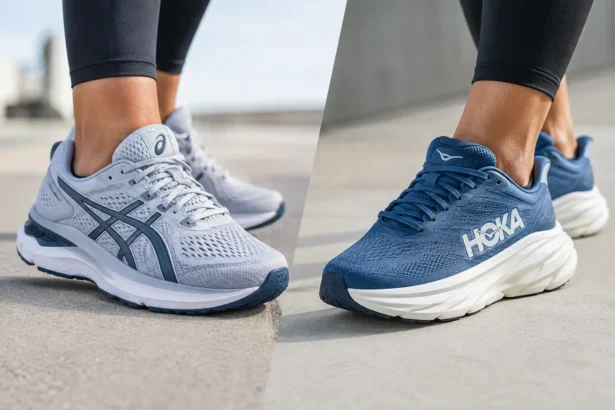
Models such as the Hoka Bondi, Brooks Ghost Max, On Cloud styles, and ASICS Gel-Kayano fit this direction for a reason. They are not subtle. Some are chunky. Some are not the sharpest option with tailored pants. But if your job keeps you on your feet, we would take a slightly bigger-looking shoe over sore heels by lunchtime.
The trend is really about choosing function without looking like you just left a race. Brands have gotten better at making comfort shoes in cleaner colors and easier everyday shapes. Black, gray, cream, navy, white, and muted green are doing more work than loud color blocking right now.
At the other end of the spectrum, low-profile retro sneakers are not going away. Adidas Gazelle-style shoes, Puma Speedcat shapes, and other slim, low-to-the-ground pairs still look clean. They work especially well if you like straight jeans, cropped pants, relaxed trousers, or simple outfits that need a little structure.
We get the appeal. A slim sneaker makes an outfit look less heavy than a large running shoe. It feels casual without looking lazy. But this is where we need to be honest: many retro shoes are better for shorter days than long ones.
A flatter sole means you feel more of the ground. A narrower toe area can also become annoying if your feet swell during the day. If you are walking a couple of miles, commuting, or standing behind a counter for eight hours, a thin lifestyle sneaker may not be the smart choice.
Wear the Gazelles, Speeds, and similar pairs when the day is light and the look matters most. For travel days, busy weekends, or work shifts, keep a more cushioned option nearby. There is no prize for forcing one shoe to do every job.
Bright white sneakers will always have a place, but 2026 is leaning warmer. Brown suede, soft tan, faded blue, dark green, off-white, and gray are easier to wear than people think. They also hide daily scuffs better than crisp white leather.
Suede needs more care in wet weather, so it is not the pair we would grab for a rainy commute. Still, it adds texture without being loud. A brown or gray sneaker often looks better after a few wears than a spotless white shoe that you are afraid to use.
For years, plenty of people bought running shoes only when they planned to run. Now the line is thinner. Good daily trainers are showing up everywhere because people have realized that a shoe designed for repeated impact usually feels better for long walks too.
That does not mean you should buy the softest, tallest shoe you can find. If you walk fast, work on uneven ground, or prefer a firmer feel, an overly plush shoe can feel awkward. The right amount of cushioning is personal.
Nike Shox, New Balance running-inspired models, ASICS Gel cushioning, Brooks trainers, and Hoka silhouettes all have their place. We like this trend because it gives people more useful options. You can wear a performance-minded sneaker with regular clothes and not look like you are headed to a marathon.
For casual running, start with fit before style. Your toes need a little space in front. Your heel should feel held in place, not squeezed. If a shoe feels wrong while you are standing still, do not convince yourself it will somehow improve after three miles. It usually will not.
One pair for everything sounds practical, but it often is not. A flat casual sneaker and a cushioned walking or running shoe cover most people better than one expensive pair trying to do both jobs.
Use the slimmer pair for dinners, errands, and days when you are not covering much ground. Use the supportive pair for work, travel, walks, and exercise. Rotating shoes can also help them dry out and keep their shape instead of getting crushed into the same pattern every day.
You do not need a wall of sneakers. Two or three solid pairs beat a closet full of shoes you avoid wearing.
Another part of sneaker trends 2026 is less visible, but far more useful: people are paying attention to how stable a shoe feels. A soft midsole can be comfortable, but a shoe also needs a secure heel, a base that does not wobble, and an upper that keeps your foot from sliding around.
This matters if you have tired knees, achy feet, or a job that involves constant movement. We are not saying a sneaker solves pain or replaces advice from a professional. We are saying a loose, flat shoe with no support can make a long day feel worse.
ASICS Gel-Kayano and Hoka Arahi models are popular with shoppers who want more guidance underfoot. They are not for everyone. Some people dislike the structured feel and prefer a neutral shoe that lets their foot move more naturally. Try to match the shoe to what feels steady for you, not to a label on the box.
If you are unsure, think about the shoes you already own. Do your heels wear down unevenly? Do your feet feel tired after standing? Does your current pair feel like it twists too easily? Those clues are more useful than chasing whatever color is selling out.
We would skip buying a shoe just because it is called a lifestyle sneaker. That label tells you almost nothing about cushioning, grip, fit, or durability. We would also skip sizing down for a cleaner look. A tight shoe does not become comfortable because it looks neat in a mirror.
Be careful with ultra-flat soles if you spend long hours on concrete. Be careful with huge foam platforms if you feel unsteady on stairs. And be careful with trend colors that only work with one outfit. A sneaker should earn its spot in your rotation.
The same goes for complicated technical designs that look like a science project. Some are excellent for running. Some are just busy. If you would not wear them after your workout, they probably are not your everyday pair.
The strongest sneaker trend this year is not a specific brand, color, or sole shape. It is buying shoes that match your real routine. A clean retro pair is worth it if you mostly drive, sit, and want something sharp. A cushioned trainer is worth it if your day includes walking, standing, and getting home with enough energy left to do something else.
At The Sneaker Base, we would rather help you find the pair you actually wear than push the pair that only looks good in a product photo. Start with your Tuesday. Your feet will give you a much more honest answer than the trend cycle ever will.