Cart
No products in the cart.
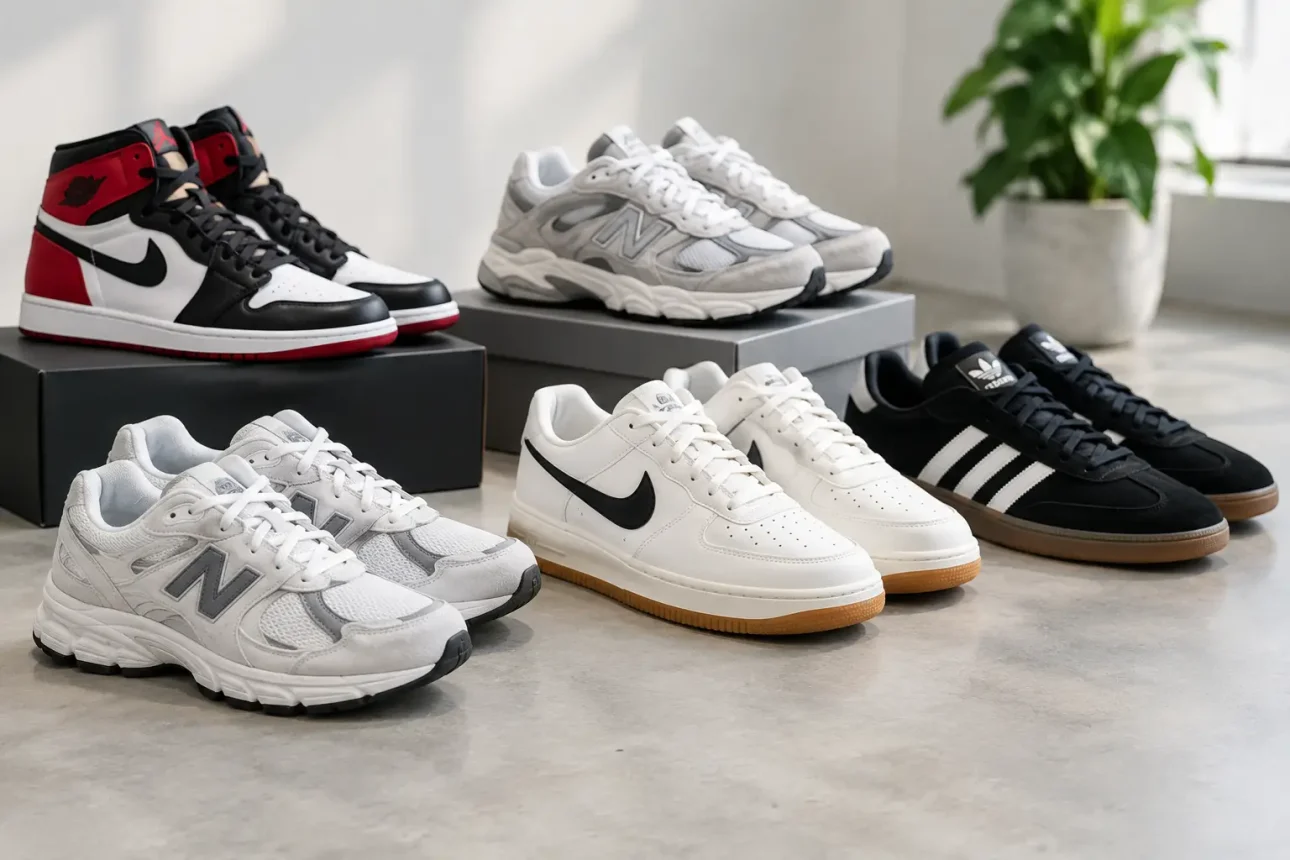
A shoe can look perfect in a product photo and still make your feet hate you by 5 p.m. That is why a multi brand sneaker shopping guide should start with your actual day, not a logo on the side. You need shoes for standing, walking, running, school pickup, errands, or all of it. Start there. The right brand is the one that gives your feet a break.
Shopping across brands is useful because every label does something a little differently. Some make soft, roomy shoes built for long days. Some make sleek lifestyle pairs that look sharp but feel flat after a few hours. Some land in the middle. We carry the big names because having choices matters. But more choice only helps when you know what to filter out.
Before looking at colors, ask a plain question: where will you wear these most? If you work on your feet, a low-profile casual sneaker might look clean, but it may not be the smart buy. Flat soles and thin cushioning can feel fine during a quick try-on. Eight hours later is the real test.
For long shifts, walking commutes, and full days running around, look for a shoe with noticeable cushioning, a stable base, and enough room through the front. Hoka Bondi models, Brooks Ghost Max, ASICS Gel-Kayano, and several New Balance running-based styles are worth checking first. They are not all built the same, and some will look bulkier than a classic court shoe. That is the trade-off. A shoe that makes your day easier is not always the sharpest option with shorts.
If your day is mostly casual – driving, classes, coffee, errands, dinner – lifestyle models can make more sense. Adidas Gazelles, Puma Speedcats, Nike Shox, and similar pairs bring more personality. Just be honest about the mileage. A stylish low-profile sneaker is fine for a few miles here and there. We would not pick one for a warehouse shift or a 10-mile walking day.
For running, do not buy based on what someone else wears at the gym. Your stride, pace, and comfort level are yours. A beginner runner often does better with a cushioned, dependable daily trainer than a light, aggressive shoe made for speed. On, Brooks, Hoka, ASICS, and New Balance all have solid options. Start with comfort and fit. Chasing a few seconds on a casual run is not worth sore feet.
Brand names matter less than how a shoe is shaped and cushioned. Still, knowing the usual feel of each label can save you time.
ASICS often works well for people who want structured support and a running-shoe feel that can handle long walks. Gel-Kayano models are a common choice when you like a secure, guided ride rather than a loose, soft feel.
Hoka is known for thick cushioning and a rolling sensation underfoot. Bondi styles are popular for standing and walking because they take some harshness out of hard pavement. They are not subtle-looking shoes. If that bothers you, skip them. If your feet are tired every night, the extra foam may be worth it.
Brooks tends to make straightforward shoes that do the job without trying too hard. Ghost Max and Hyperion models serve different people: the Ghost Max leans toward cushioned daily miles, while the Hyperion line is lighter and more performance-focused. For most casual runners, more cushion is usually the safer place to start.
New Balance has a wide range, from retro lifestyle pairs to serious running shoes. Fit can vary a lot by model, so do not assume one New Balance size tells you everything about another. This is also a brand worth considering if you prefer options that do not squeeze the front of your foot.
Nike and Adidas have plenty of good-looking sneakers, but style should not trick you into buying the wrong tool. Nike Shox have a bold, springy look and can work well as a casual statement pair. Adidas Gazelles are clean and easy to wear. Neither is where we would begin if your main goal is all-day support.
On shoes usually have a firmer, snappier feel than very plush foam shoes. Some people love that responsive ride. Others want something softer underfoot. Puma Speedcats are slim and low to the ground, which looks great with the right outfit but gives you far less cushioning than a walking or running shoe. Know what you are getting.
Your usual size is a starting point, not a promise. Different brands use different shapes, and even two models from the same brand can fit differently. A narrow shoe can feel secure to one person and cramped to another. That does not make the shoe bad. It means it is probably not your shoe.
Measure your feet later in the day, when they are a little more swollen from walking. Wear the socks you plan to use. Leave about a thumb’s width of room in front of your longest toe. Your heel should stay put when you walk, but the upper should not pinch the top of your foot or squeeze your toes together.
Pay attention to width, not just length. If the sides of your feet spill over the midsole or the upper feels stretched right away, do not hope it will magically loosen enough. Some materials give a little. Most sneaker problems start with buying a shoe that is too narrow or too short because the color was right.
If you use inserts or orthotics, check whether the shoe has a removable insole and enough depth for them. You do not need to turn every purchase into a science project. You just need enough room for the setup you actually wear.
One pair can cover a lot. But if you walk often, stand for work, or run a few times a week, two pairs make more sense than one expensive pair you grind into the ground. Rotate them. Let the foam and upper dry out between wears. Your shoes last longer, and your feet get a slightly different feel from day to day.
A practical setup might be one cushioned walking or running shoe and one casual sneaker. Wear the comfortable pair for long days, travel, and exercise. Keep the cleaner lifestyle pair for shorter days and outfits where you want a lower profile. That is not overbuying. It is using the right shoe at the right time.
Parents shopping for the family can use the same rule. Kids grow fast, so there is no need to overthink premium features they will not notice. Prioritize fit, grip, and a shoe that can survive normal kid behavior. For adults who wear the same pair every day, spending a little more on comfort can make sense.
A discounted sneaker is only a deal if you will wear it. Old colorways often cost less, and that is fine. You are buying shoes, not a stock portfolio. If the fit is right and the price works, last season’s color is usually the smarter move.
But do not buy a pair just because it is 40% off. If it is too narrow, too flat, or too loud for anything you own, it will sit in the box. The cheapest shoe is the one you do not have to replace after a month because you made the wrong call.
At The Sneaker Base, we think shopping across brands should feel simpler, not more confusing. Filter by what you need first: walking, running, daily wear, or all-day comfort. Then narrow it down by fit, cushioning, and price. Color comes after that.
A good sneaker does not need to impress strangers. It needs to feel right when you are late, tired, carrying bags, and still have three places to go. Buy for that version of your day. That is the pair you will actually wear.