Cart
No products in the cart.
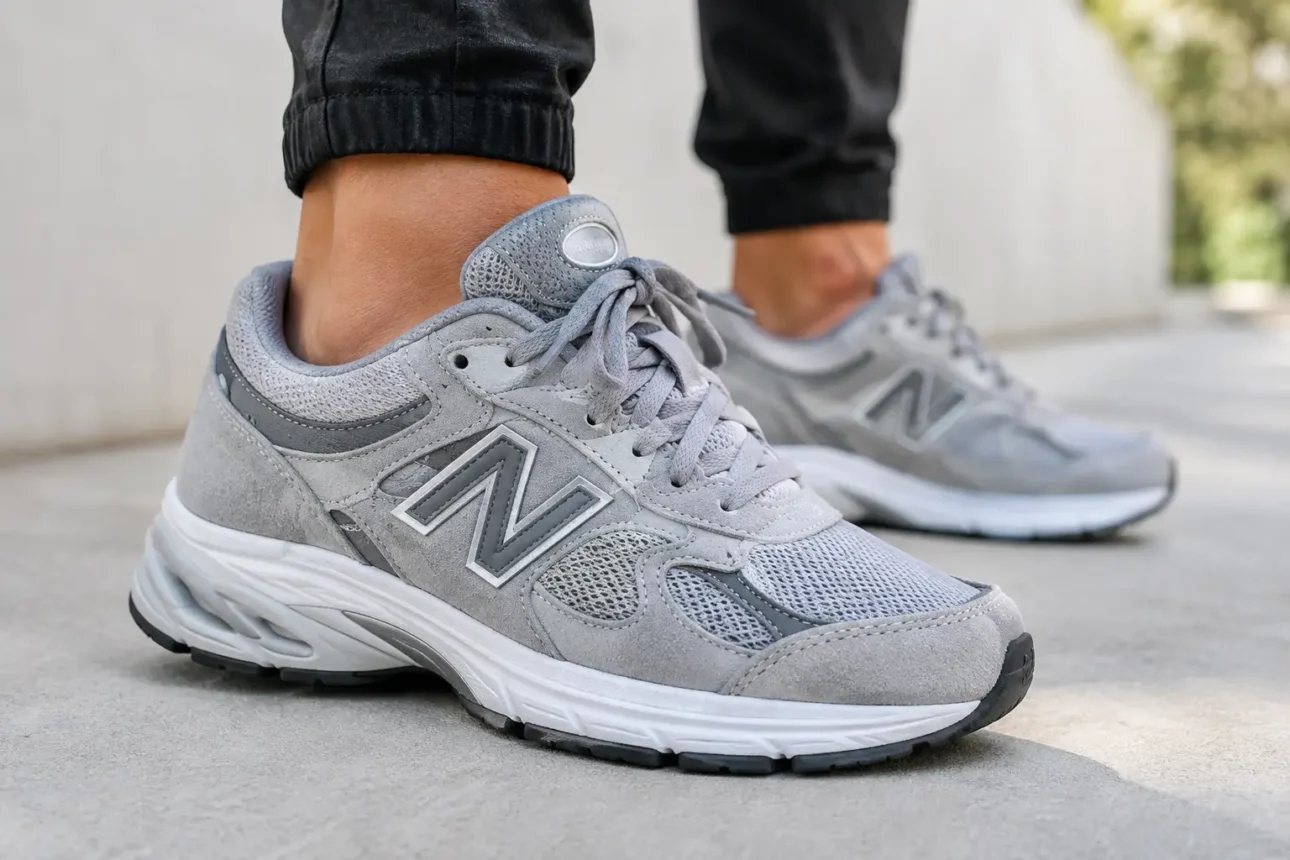
A walking shoe can feel perfect for the first five minutes and awful by 3 p.m. That is the part most product pages skip. Our New Balance walking review is for the person putting real miles on sidewalks, store floors, school runs, and long work shifts. We’re not looking for a shoe that photographs well. We want one that still feels decent when your feet are done for the day.
New Balance gets a lot right for walkers. The brand offers more widths than most sneaker labels, its cushioning usually feels stable instead of squishy, and there are options ranging from clean everyday pairs to purpose-built walking shoes. But not every New Balance model makes sense for every foot. Some are soft but too tall. Some are supportive but look like they came from a medical supply aisle. Some cost more than they need to.
Here’s where we land.
If you want one New Balance shoe for daily walks and general life, we’d start with the Fresh Foam X 880. It is the sensible pick. It has enough cushioning for long days, a steady ride that does not feel wobbly, and a shape that works for a lot of people.
If your feet roll inward or you prefer a more guided feel, look at the Fresh Foam X 860. It adds support without making every step feel stiff. If you want the softest landing for slower walks, sore legs, or concrete-heavy days, the Fresh Foam X 1080 is the plush option. Just know that softer foam is not automatically better. Some people feel less stable in it, especially on uneven sidewalks.
For walkers who need a traditional walking shoe with practical support and roomy sizing, the 847 and 928 lines are worth a look. They are not the sharpest shoes in the room. They are built for comfort first, and we respect that. Finally, the 990v6 is a strong premium lifestyle choice if you want a shoe that handles walks well and looks right with regular clothes. It is expensive, though. We would not call it the best value if your main goal is mileage.
Cushioning gets all the attention, but it is only one part of the deal. A good walking shoe needs a secure heel, enough room in the toe box, and a sole that does not bend like a cheap flip-flop. When a shoe is too soft or too flexible, your feet work harder to stabilize every step. That can feel fine at first. It gets old fast.
New Balance is especially useful for people who struggle with standard-width sneakers. Many models come in narrow, standard, wide, and extra-wide options. That matters more than chasing a trendy model. If the front of your foot feels squeezed, your toes go numb, or you always blow out the side of your shoes, a wider size may make more sense than sizing up in length.
Get the length right first. You want roughly a thumb’s width between your longest toe and the end of the shoe. Then choose the width that lets your forefoot sit naturally without sliding around. A roomy shoe is good. A shoe that lets your heel swim is not.
The 880 is the pair we would suggest to most people who say, “I just need a comfortable sneaker for walking.” It is not trying to be a race shoe or a fashion statement. It is a dependable daily trainer with enough foam underfoot for neighborhood walks, travel days, and standing around for hours.
The feel is cushioned but controlled. That is the key. You get a softer landing without the sensation that you are balancing on a mattress. The upper is usually straightforward and breathable, and the fit works well for average to slightly wider feet, especially when you choose the right width.
The trade-off is excitement. The 880 is not the lightest, flashiest, or bounciest shoe New Balance makes. We see that as a plus for walking. You do not need drama from a shoe that has to carry you through Tuesday.
The 1080 is for walkers who want more cushion under their heel and forefoot. On hard pavement, it can feel noticeably gentler than firmer everyday sneakers. It is a good fit for easy-paced walks, travel, recovery days, and anyone who prefers a plush step.
But here is the honest part: it is not the automatic winner for every tired foot. Its higher stack of foam can feel less grounded than the 880, particularly if you walk on sloped sidewalks, gravel paths, or uneven streets. If you have strong ankles and love a soft shoe, you may be happy. If you prefer a planted, predictable feel, skip it and choose the 880 or 860.
The 1080 also tends to suit people who want one shoe for walking plus easy runs. If running is not on your list and stable comfort is your priority, you may not need to pay for this much softness.
The 860 is the pick for walkers who want their shoe to feel more structured. It is designed to guide the foot through the stride rather than letting it collapse inward. That can be useful if you notice the inside edge of your old shoes wears down quickly or your ankles feel tired after longer walks.
Support should not mean punishment. Older stability shoes could feel hard and bossy. The 860 is more reasonable. It still has Fresh Foam cushioning, but the platform gives you more direction than the 880 or 1080.
We would not push this shoe on someone who has never wanted support. More structure is not always more comfortable. But if regular soft sneakers leave your feet feeling sloppy or fatigued, the 860 is worth trying on.
The 847 and 928 are not trying to win style points. They are built for people who walk a lot, stand a lot, need dependable traction, or simply do not want a lightweight running shoe that gives up after a few months.
These models generally offer a firmer, more stable base, practical outsole grip, and sizing options that make them easier to fit for wide feet. The 928, in particular, suits people who want a substantial shoe with a supportive feel and space for their own insoles. The 847 feels more athletic but still focused on walking rather than speed.
The downside is obvious. They can look bulky. If you wear your sneakers with jeans, chinos, or casual work clothes and care how the whole outfit looks, the 880 or 990v6 will be easier to live with. But if comfort comes first and your old shoes keep letting you down, looks are not the only thing that matters at 5 p.m.
The 990v6 has a loyal following because it does two jobs well. It has enough cushioning and support for long walks, while the suede-and-mesh look works with everyday clothes better than most performance shoes. It feels substantial, not flimsy, and the shape gives many feet more breathing room than narrow fashion sneakers.
We like it for people who walk a lot but do not want to look like they are heading to a track. It is especially good for city days, commuting, and travel when one pair has to handle plenty of steps and still look clean at dinner.
Still, it is pricey. You are paying for materials, construction, and the Made in USA positioning, not just walking performance. If your budget is tight, the 880 will do the core comfort job for less. Buy the 990v6 because you like the look and want the all-day feel, not because it is guaranteed to make walking better.
Start with where you walk. For mostly smooth sidewalks, errands, and daily wear, the 880 is the safe call. For maximum softness on hard surfaces, try the 1080. For a more guided, stable stride, choose the 860. For long shifts, wide feet, or a traditional walking-shoe build, the 847 or 928 makes more sense.
Then be honest about your feet. If your toes feel crowded in most sneakers, check the width options before buying a bigger size. If you use orthotics, look for a removable insole and enough volume through the midfoot. If you have ongoing pain, swelling, numbness, or a condition affecting your feet, a shoe can help you feel more comfortable, but it is not medical treatment. Talk with a qualified clinician for advice that fits your situation.
And do not judge a shoe while sitting down. Walk around indoors with both shoes on. Pay attention to heel slip, toe pressure, and whether the arch support feels helpful or annoying. A good shoe should feel natural quickly. It should not need a long speech to explain why it will eventually feel good.
New Balance does not make the cheapest walking shoes or the coolest-looking shoes across the board. What it does well is give ordinary walkers real choices. Our pick for most people is the Fresh Foam X 880. Choose the 860 when you want support, the 1080 when you want softness, and the 847 or 928 when function matters more than profile. Pick the pair that feels right on your actual feet, then go wear them out.