Cart
No products in the cart.
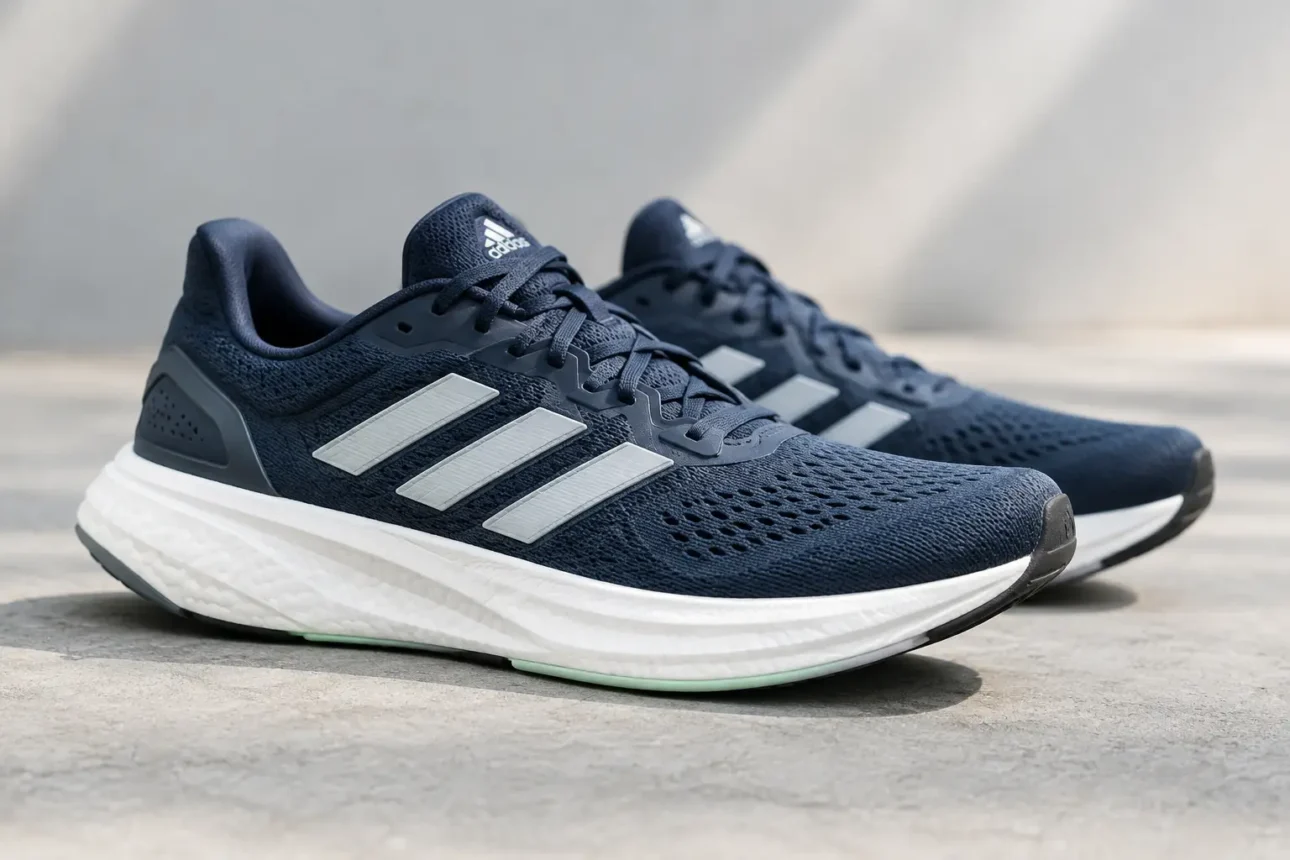
The Adidas Supernova is not the shoe you buy to chase a personal best or turn heads at the coffee shop. You buy it because your old sneakers are flat, your feet hurt by late afternoon, and you want something that can handle a few runs, long walks, and regular life without being precious about it. That is the point of this Adidas Supernova shoe review: to figure out whether this dependable-looking daily trainer is actually worth putting on your feet.
Our short take? For most people, yes. The Supernova is a sensible, comfortable option for easy running and everyday miles. It is not the lightest, softest, or fastest Adidas shoe. It does not need to be. It has enough cushioning for beginners and casual runners, a stable feel for walkers, and a price that usually makes more sense than buying a flashy race-day shoe you will barely use.
The Supernova line has changed over the years, so details can differ between versions such as the Supernova Rise, Solution, Stride, and older standard Supernova models. Still, the basic idea stays the same: this is Adidas’ practical daily running shoe. It is built for steady, repeatable use rather than all-out speed.
What you feel first is a balanced ride. The cushioning is protective without feeling like you are standing on a thick foam mattress. That matters when you are walking the dog, commuting, standing at work, or jogging at a relaxed pace. Some ultra-soft shoes feel great for ten minutes and then get wobbly when your legs are tired. The Supernova usually feels more planted.
The upper is another quiet win. Most versions use breathable mesh with enough structure around the midfoot to keep your foot from sliding around. It is not a stripped-back racing fit, and that is good. If you are newer to running or spend long hours on your feet, a shoe that holds your foot in place is usually more useful than one that saves a few ounces.
We also like that the Supernova does not look overly technical. It works with running gear, but it is clean enough for jeans, joggers, or a day of errands. That is not a reason to buy a running shoe by itself, but it helps when you want one pair that earns its spot by the door.
Adidas uses different foam setups across the Supernova family. Newer models may combine softer foam under the heel with firmer foam through the rest of the midsole. Older versions can feel noticeably firmer and more traditional. Before buying, check the exact model name rather than assuming every Supernova rides the same way.
In general, expect moderate cushioning with a stable base. The heel takes the edge off pavement, while the forefoot stays controlled enough for walking and easy running. It is the kind of cushioning you appreciate after three miles when your feet still feel normal, not the kind that creates a dramatic first step in the store.
That makes it a strong choice for easy efforts. Think conversational runs, treadmill sessions, run-walk plans, and weekend mileage. If you land heavily on your heels, the Supernova’s calmer, more structured feel may suit you better than a very soft shoe that lets your heel sink too far.
There is a trade-off. If you like a springy, fast sensation, the Supernova can feel a little dull. It moves well enough, but it does not push you forward like a lighter performance trainer. We would not pick it as our first choice for tempo runs, intervals, or race day. Adidas makes other shoes for that job.
For most feet, the Adidas Supernova fits true to size. The heel is generally secure, the midfoot has a supportive wrap, and the toe box has enough room for normal foot swelling on a run. It is not especially wide, though. If you have broad feet or prefer lots of toe splay, try it on if possible or look closely at the specific version’s width options.
The fit works best for people who want a locked-in feel without a stiff, restrictive upper. The laces do a decent job of adjustment, so runners with a narrower foot can usually dial it in. If your heel often slips in running shoes, use a runner’s knot before writing the shoe off. A simple lacing change can make a real difference.
Wear your usual running socks when you try a pair on. It sounds obvious, but thick socks can turn a comfortably snug shoe into one that crowds the toes. Leave roughly a thumb’s width in front of your longest toe. Your feet need room when they warm up and swell.
The Supernova makes the most sense for the person who wants to get moving without turning shoe shopping into a research project. It is especially solid for beginner runners building from short runs to regular weekly mileage. The stable platform gives you a predictable base while your legs adjust to more impact.
It is also a good fit for walkers. If you regularly cover a few miles, travel, or work on your feet, the mix of cushion and support is more useful than a flat lifestyle sneaker. We would choose it over something like a Gazelle for a long day every time. The Gazelle looks sharp, but it is not designed to keep your feet happy after hours of pavement.
For heavier runners, the answer depends on what you need. The Supernova can be a good everyday option if you prefer a grounded, controlled ride. But if you want maximum cushioning for long runs or your knees and feet feel beat up after every outing, a more deeply cushioned shoe may be the better call. More foam is not automatically better, but sometimes it is what your body prefers.
Skip the Supernova if your main goal is speed. It is not a bad shoe for picking up the pace, but it is not where it shines. A lighter trainer will feel more fun for faster sessions.
You may also want to look elsewhere if you need a very wide toe box, strong motion-control features, or a super-soft ride. The Supernova offers everyday stability, not heavy-duty correction. If you have ongoing pain, a shoe review cannot diagnose the cause. It is worth getting advice from a qualified professional instead of hoping a new pair will solve everything.
And if you already own a comfortable walking shoe and only run once a month, be honest with yourself. You may not need a dedicated running trainer at all. Buy for the miles you actually do, not the version of you that starts training every Monday.
Durability is one of the Supernova’s better arguments. It is made for repeat use, not just a few polished photos. The outsole rubber is typically substantial enough for pavement, treadmills, and regular sidewalks, while the upper is built to take everyday scuffs better than ultralight mesh.
No shoe lasts forever. Once the midsole feels flat, the outsole is worn smooth in key areas, or new aches show up on runs, it is time to pay attention. Many runners get several hundred miles from a daily trainer, but your weight, running form, surface, and how often you wear the shoe all matter. Someone using the Supernova mostly for walking may get much longer use than someone running five days a week.
For day-to-day care, let the shoes air out after wet runs, remove surface dirt with a soft brush, and avoid tossing them in a hot dryer. Heat can damage foam and glue faster than normal wear.
The Adidas Supernova is a good, no-drama shoe. It is comfortable enough for long walks, supportive enough for new runners, and durable enough to become the pair you reach for without thinking. That is a compliment.
It will not give you the light, electric feel of a fast trainer. It will not offer the huge cushion of a max-stack cruiser. But for easy miles and real life, it gets the basics right. If you want one shoe that feels steady from your morning walk to a relaxed evening run, the Supernova is worth a serious look. Pick the version that matches your cushion preference, make sure the fit is right, and let your feet decide after a few honest miles.