Cart
No products in the cart.
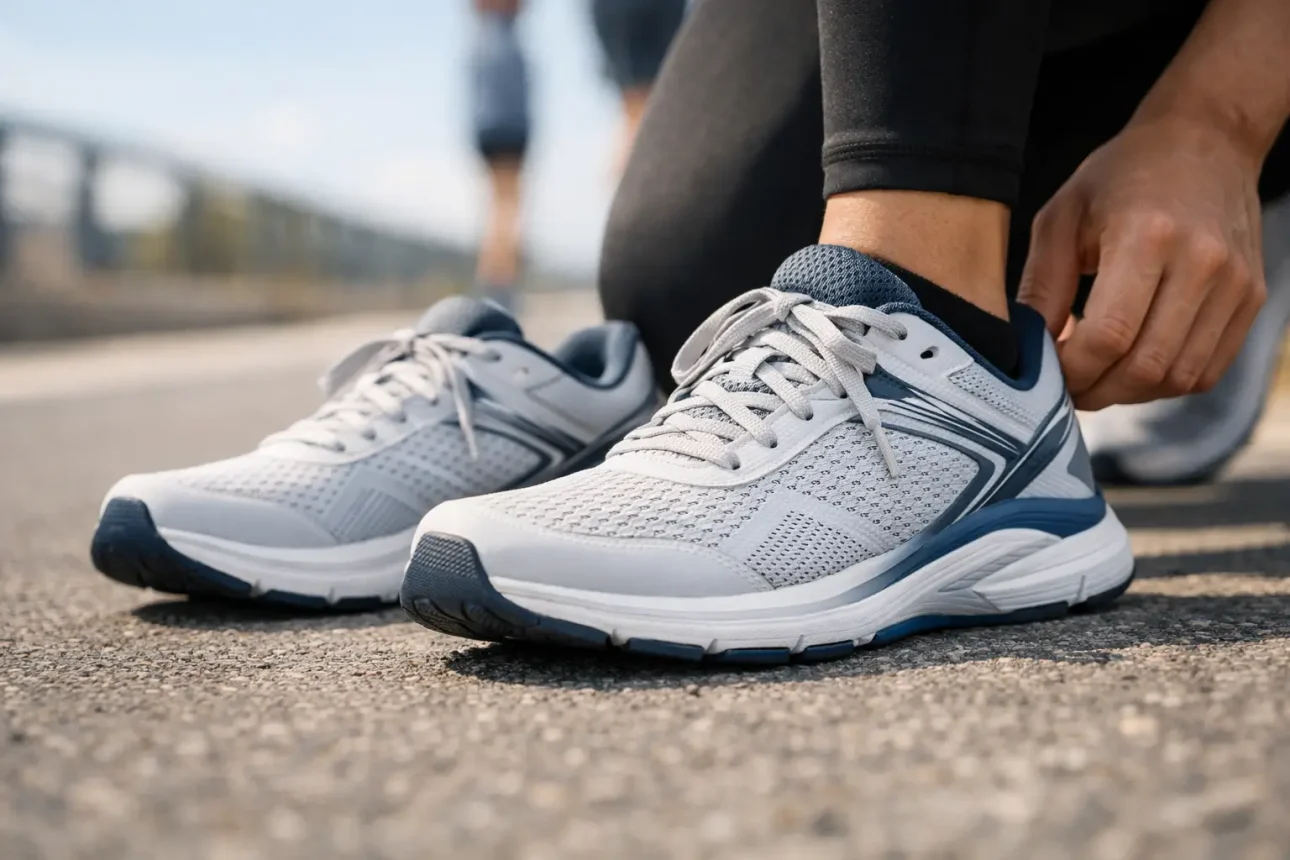
If your runs start with toe pressure and end with sore feet, the problem might not be your training. It might be your shoes. Wide fit running shoes are not some niche option for a tiny group of people. A lot of runners, walkers, and all-day workers are stuffing their feet into shoes that are simply too narrow.
We see this all the time. People blame the foam, the arch, the brand, even their socks. Sometimes the fix is much simpler. You need more room in the forefoot, a little less squeeze through the midfoot, and a shoe that lets your foot sit naturally instead of fighting it for miles.
A narrow shoe can feel fine for ten minutes. Then your foot warms up, spreads out, and starts asking for space. That is when the rubbing starts. Your toes feel cramped. The side of your foot presses against the upper. By the end of the day or the end of a run, everything feels tired in a way that has nothing to do with effort.
A wider fit does not just mean comfort in the soft, vague sense. It can mean less pressure on your toes, a more stable landing, and less distraction while you move. If you are on your feet for work, that matters just as much as it does on a 5K. If your feet are busy fighting the shoe, the rest of your body usually pays for it too.
That said, wider is not always better. Too much extra room can leave your foot sliding around, especially in the heel. That is how you end up with rubbing, sloppy turnover, and a shoe that feels awkward instead of supportive. The goal is not a loose shoe. The goal is the right shape.
Some people know right away. They have always bought wide sizes. Others have spent years wearing standard widths because that was what stores carried, even though the fit was never quite right.
If your pinky toe rubs, if the outside of the shoe bulges when you lace up, or if you feel relief the second you take your shoes off, pay attention. If you keep sizing up just to get more width, that is another clue. Going longer to fake more width usually leaves you with a shoe that bends in the wrong place and feels clumsy.
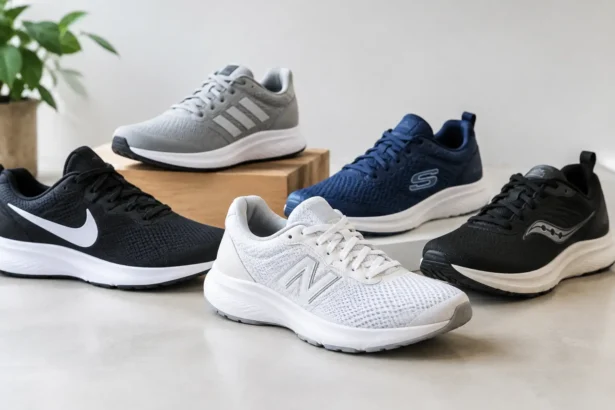
A few brands also run naturally narrow or naturally roomy. So before you decide your feet are the problem, look at the shape of the shoe. Some models are built with a snug, race-style fit. Others are clearly made for comfort first. Neither is wrong. It just depends on what your feet need.
Width is the headline, but not the whole story. The best wide fit running shoes also get the basics right.
The toe box matters most for most people. That is where your foot wants to spread when you land and push off. If the toe box is too tapered, a wide label will not save it. We would rather see a naturally rounder front shape than a shoe that is technically wide but still pinches at the front.
The midfoot should feel secure without feeling tight. This is where a lot of people get fooled. They try on a wide shoe, love the extra room up front, then realize the whole thing feels loose through the middle. A good fit keeps you stable without overdoing the pressure.
Heel hold still counts. If the heel slips with every step, the shoe is not doing its job. Some wide models solve forefoot pressure but get too generous everywhere else. That is fine for casual wear. For running, it gets annoying fast.
And then there is the ride. Cushioning, support, and weight still matter. A roomy shoe with dead foam is still a bad shoe. A wide fit should feel good underfoot, not just around it.
Some brands do this better than others. We are not going to pretend every label handles wide sizing equally well.
If you want a safe place to start, New Balance and Brooks are hard to argue with. They have been doing width options well for a long time, and their best-known running models tend to come in fits that make sense for real people. Not just elite runners with tiny feet and no patience for comfort.
Brooks models like the Ghost line are often a solid pick if you want soft cushioning and a straightforward fit. New Balance is one of the better brands if you need actual width options across different styles instead of one token wide model.
Hoka gets attention for cushioning, and fair enough. Some of their shoes feel great for long shifts, long walks, and easy miles. But not every Hoka fits wide the same way. Some feel roomy and forgiving. Others still feel a bit too snug across the front for truly wide feet.
If you like a softer, max-cushion feel, Hoka can be worth a look. Just do not assume every pair will solve your fit issue on the name alone.
Asics has some very good options, especially in stable daily trainers. Models in the Gel Kayano family have a loyal following for a reason. They can feel supportive without being harsh. But again, the shape matters model to model.
We like Asics when you want a more structured feel and a dependable upper. If your feet are wide and you hate flimsy shoes, that can be a good match.
This is where people can get burned. Nike makes good-looking shoes, and some run well, but a lot of their models lean narrow. Same story with On. Clean look, crisp ride, but not always friendly if your forefoot needs space.
Adidas sits somewhere in the middle. Some models work fine. Some feel too pointed up front. If you have slightly wide feet, you may be okay. If you know you need room, we would be more selective here.
This is the mistake we see most. People try to fix width by sizing up half a size or a full size. Sometimes that gives temporary relief in the store. Then they wear the shoes for a week and wonder why they feel off.
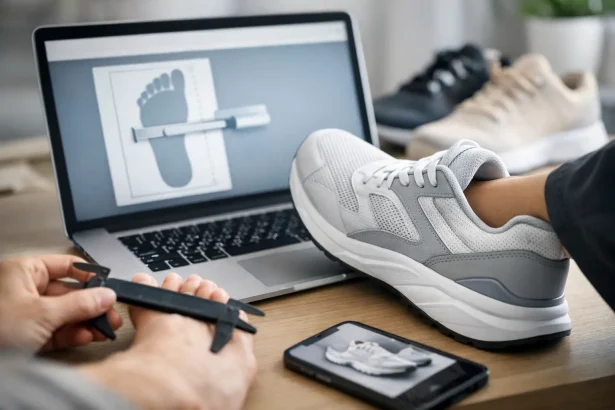
A shoe that is too long can throw off the flex point, make your stride feel awkward, and leave too much dead space in front of your toes. That can mean more slipping, more rubbing, and less control. If your foot is wide, buy for width first. Length should still match where your foot actually ends.
If you stand all day, walk a lot, or run a few times a week, you do not need a complicated reason to buy a roomier shoe. You just need your feet to stop feeling beat up.
Wide shoes make the most sense for people with naturally broader feet, people whose toes feel crammed in standard models, and anyone who regularly gets hot spots along the sides of the foot. They also help if your feet swell during the day, which is common when you are working long shifts or logging longer miles.
If you have narrow heels but wider forefeet, the fit gets trickier. That is when lacing, upper shape, and brand choice matter more than the width label alone. Some shoes handle that combo well. Some feel like boats. It depends.
We would start with your actual use, not the marketing around the shoe. If you run easy miles and want comfort first, go for a daily trainer with a stable base and a roomy toe box. If you walk more than you run, prioritize cushioning and step-in comfort over anything speed-focused. If you work on your feet all day, skip the overly firm, flat models even if they look cleaner.
Then we would look at shape before specs. Does the front of the shoe actually look accommodating, or does it taper hard at the toes? Does the upper have enough give without feeling sloppy? Does the heel stay put when you walk?
After that, brand matters. Some people do better with Brooks or New Balance right away because the fit is simply more forgiving. Others want the softer feel of Hoka or the more structured ride of Asics. There is no single winner. But there are definitely pairs that feel right faster than others.
That is really the point. You should not have to talk yourself into a shoe. If it pinches in the store, it will not get friendlier at mile three. If it feels sloppy right away, that will not improve either. Good wide fit running shoes should feel calm from the start. Enough room where you need it. Enough hold where you do not want movement. No drama.
If your feet have been arguing with your shoes for months, stop trying to win that fight with thinner socks and looser laces. Get the shape right. Once that happens, everything else gets easier.