Cart
No products in the cart.
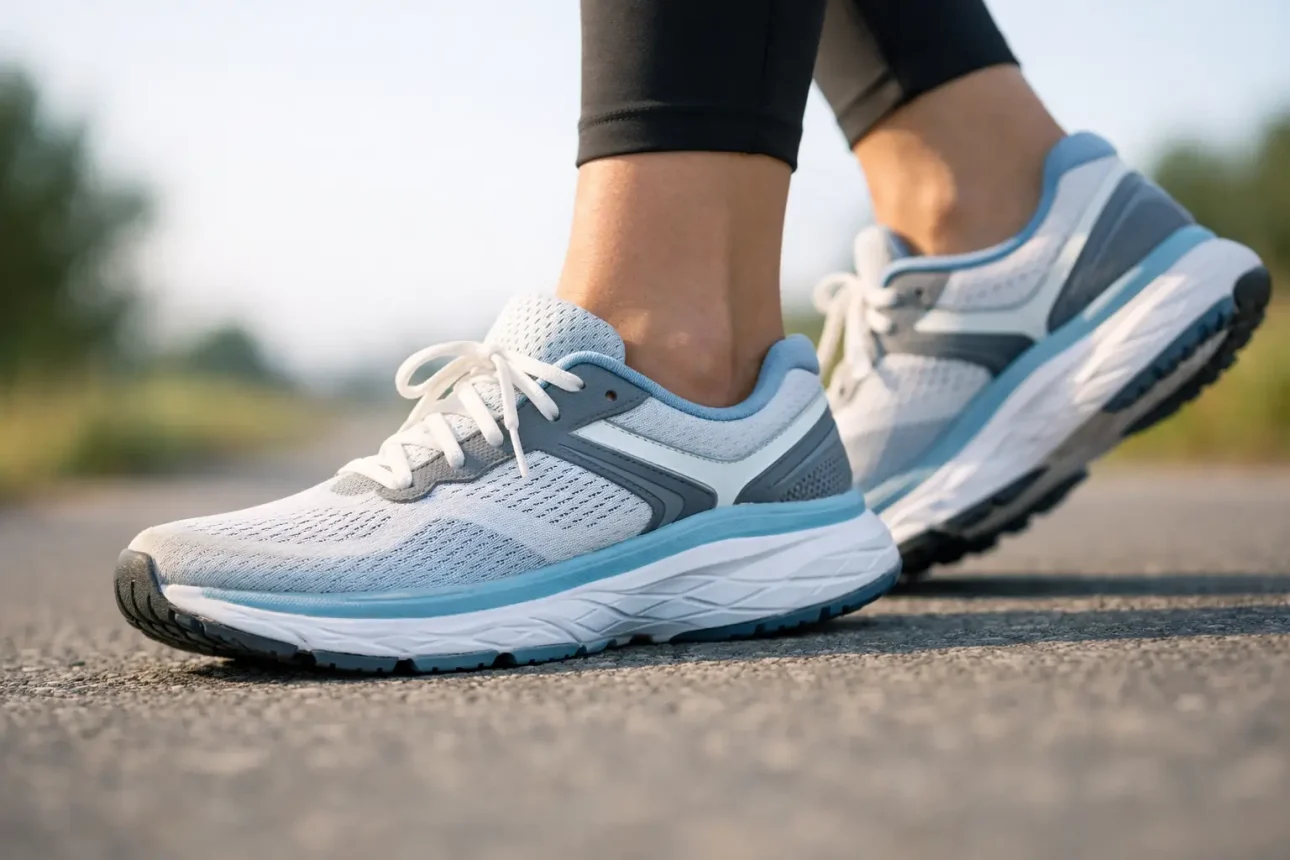
Most running advice is built for people chasing faster splits. That leaves a lot of people out. If you jog easy, mix running with walking, or just want to get through a few miles without your feet arguing back, you need running shoes for slow runners – not racing shoes, not hype shoes, and not something built to feel “snappy” for 20 minutes and harsh after that.
We’ll say it straight. Slow runners usually do better in shoes with more comfort, more stability in the ride, and less obsession with speed tech. You don’t need a shoe that shaves seconds. You need one that feels good at your pace, stays comfortable when your form gets a little sloppy, and doesn’t make an easy run feel like work.
At slower paces, you spend more time on the ground with each step. That changes what matters. A shoe that feels fun when someone is flying along can feel awkward when the pace drops. Firm foams, aggressive rockers, and stiff plates can start to feel like too much.
What we usually like for slower runners is simple. You want cushioning that protects your legs without feeling mushy, a stable base that keeps the ride calm, and an upper that doesn’t rub or squeeze halfway through the run. If you’re also walking a lot, commuting in them, or wearing them for long shifts, that matters even more.
This is where a lot of people get talked into the wrong shoe. They buy what fast runners wear, then wonder why it feels harsh, unstable, or weirdly tiring. Just because a shoe is popular doesn’t mean it’s right for your pace.
The sweet spot for most slow runners is the daily trainer. Not too stripped down. Not too specialized. Just a solid shoe you can lace up three or four times a week and not think about.
A good daily trainer has enough cushion for easy miles, enough support to keep the ride predictable, and enough durability to handle a lot of use. This category is where brands like Brooks, Asics, New Balance, Hoka, Adidas, Nike, and On usually have their most wearable options.
Max-cushion shoes can also work really well, especially if you’re on your feet all day or you want the softest landing possible. The trade-off is that some max-cushion shoes feel bulky or a little unstable in corners and quick direction changes. Great for easy runs and walking. Less great if you like a nimble feel.
Stability shoes are worth a look if you know you want extra guidance. Not because everyone needs “correction,” but because a little structure can make a tired run feel easier. If your ankles roll around late in the run or you just prefer a more planted feel, this category makes sense.
What we’d be careful with is super-light tempo shoes and carbon plate shoes. Some are fun. Most are not worth it for slow runners. They can feel too firm, too narrow, and too pushy at easy pace. If your goal is comfort and consistency, spend your money somewhere else.
The better way to shop is by ride feel, not marketing category.
If you want soft and easy, look at shoes like the Hoka Bondi, Brooks Ghost Max, or New Balance 1080. These are the kind of shoes that make a slow run feel less punishing. They’re not exciting. That’s fine. They do the job.
If you want balanced cushioning without the big stack look, shoes like the Brooks Ghost, Asics Gel Cumulus, or Nike Pegasus usually make more sense. These are easier to wear for running, walking, and daily life. They’re often the safest pick for people who only want one pair.
If you want a more stable ride, the Asics Gel Kayano, Hoka Arahi, and Brooks Adrenaline are the usual names for a reason. They’re dependable. Not every version is perfect, but the formula works for a lot of people.
If you like a slightly firmer, more responsive ride, some Adidas and On models can work, but this is where it gets more personal. Some runners love that crisp feeling. Others feel like they’re getting slapped by the pavement. At slower paces, we usually lean softer unless you already know you prefer firm shoes.
The first thing to avoid is buying based on looks alone. We like a clean shoe as much as anyone, but some great-looking pairs wear terribly. A narrow fit, a stiff forefoot, or an unstable heel can ruin a run fast.
The second is chasing speed features you won’t use. Plates, super foams, stripped-down uppers, extreme rocker designs – they all sound cool. But if you’re running easy miles, they can make the shoe less comfortable, less forgiving, and more expensive.
The third is going too soft just because soft sounds nice. There’s a line. A plush shoe can feel great for the first mile, then sloppy after that if it doesn’t have enough structure. Heavier runners especially may want cushion with some stability built in, not just a pillow underfoot.
And one more thing. Don’t size too tight. Slow runners often spend longer in the shoe, which means more time for feet to swell and rub. A thumb’s width in front of the toes is usually smarter than a close lifestyle-sneaker fit.
Start with your real use case, not the version of you that runs five days a week in perfect weather. Are you jogging two or three times a week? Walking a lot too? Standing all day at work? That changes the answer.
If you want one shoe for everything, go with a neutral daily trainer with moderate cushioning. That’s the safest move for most people. It won’t be the flashiest shoe in your closet, but it’ll probably be the one you actually wear.
If your joints feel beat up after easy runs, look at max-cushion models. If your feet and ankles feel wobbly or tired, look at stable neutral shoes or light stability options. If you already know you hate bulky shoes, don’t force yourself into one just because the internet says more foam is better.
Fit matters more than people want to admit. Brand sizing and shape vary a lot. Some shoes have roomy toe boxes. Some run short. Some fit great in the store and turn annoying after 30 minutes. If a shoe feels off right away, trust that feeling.
Asics is usually a safe place to start if you want comfort with a stable feel. The Gel Kayano has been around forever because it works. Not thrilling. Just reliable.
Brooks is strong if you want easy, no-drama comfort. Ghost, Adrenaline, and Ghost Max all make sense for people who want something straightforward and dependable.
Hoka is great if you want cushion and easy impact protection, but not every Hoka works for every foot. Some people love the rocker. Some never get used to it. Try them because they may feel great, not because everybody else wears them.
New Balance often gets the fit right, especially if you need more room. That alone can make a huge difference.
Nike can be hit or miss for slower runners. The Pegasus is the safer play. Some of the faster models look better on paper than they feel on a real easy run.
On has a clean look and a distinct ride. Some people are into that firmer underfoot feel. We’d just be honest and say they’re not always the easiest sell for someone who wants soft comfort first.
A slow runner does not need a lesser shoe. You need the right shoe. That usually means comfort you can feel after mile two, enough support to keep things calm, and a fit that doesn’t annoy you when your feet warm up.
If a shoe makes running feel easier, you’ll use it more. That’s what matters. Not pace. Not hype. Not what the fastest person at your local run club wears.
We’d rather see you in a boring pair that feels good every time than an expensive pair you keep leaving by the door. Pick the one that makes you want to head out again tomorrow. That’s the pair worth buying.