Cart
No products in the cart.
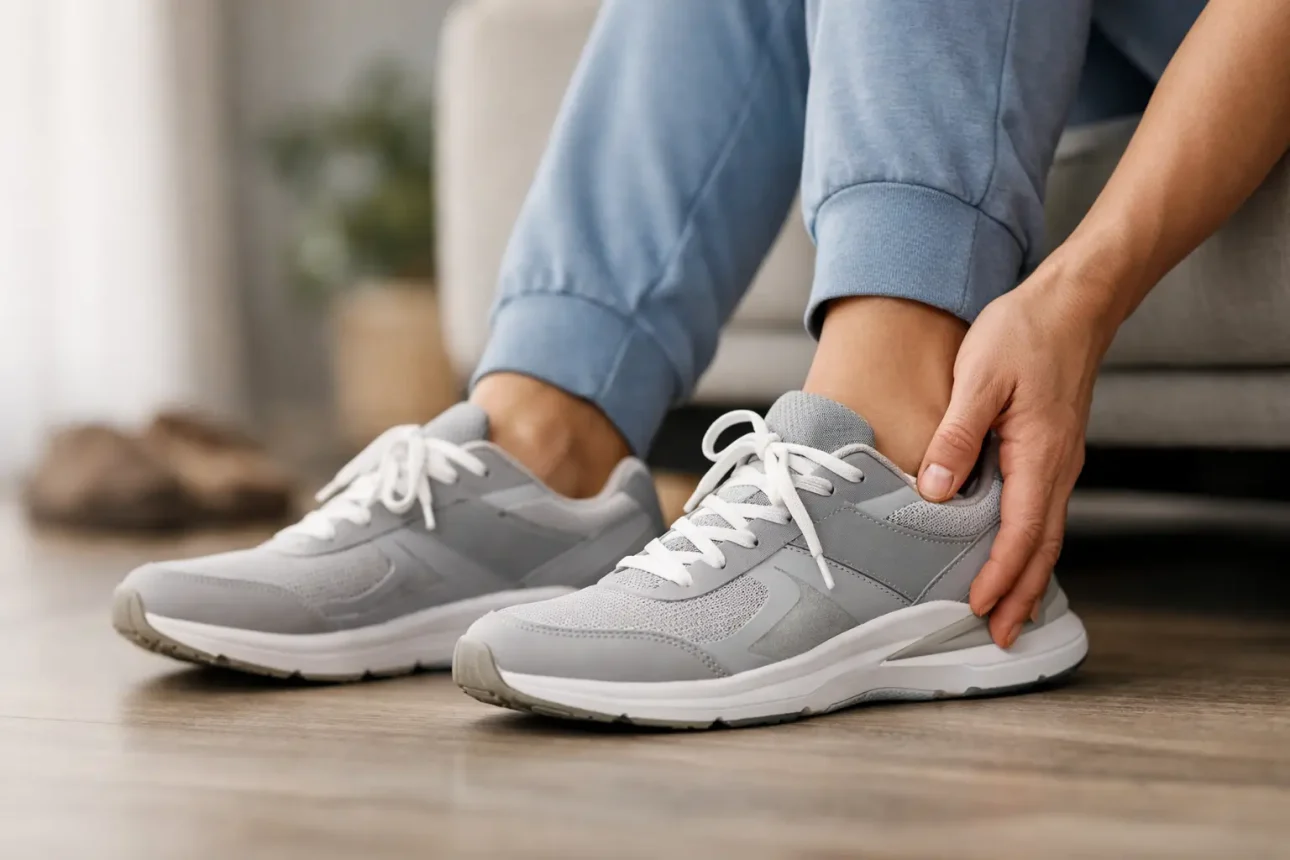
By the time your feet start throbbing at 4 p.m., the problem usually isn’t you. It’s your shoes. If you’re asking what shoes help tired feet, the short answer is this: not the flattest ones, not the stiffest ones, and definitely not the pair that felt fine for 20 minutes in the store.
What actually matters is how your feet feel after hours of standing, walking, commuting, or chasing kids around. That’s where the right shoe earns its keep. And no, the answer isn’t always the softest midsole you can find. Sometimes too much softness feels good at first and sloppy later.
The best shoes for tired feet usually do three things well. They cushion impact, support your stride, and fit your foot shape without rubbing or squeezing. Miss one of those and even a popular model can feel terrible by the end of the day.
We’d take a balanced shoe over an overbuilt one most days. A solid daily sneaker with decent cushioning, a stable base, and enough room in the toe box is more useful than a super-plush pair that feels unstable on long walks. If you’re on your feet all day, that balance matters.
A lot of people buy based on looks first and hope comfort follows. Sometimes that works. Often it doesn’t. Flat lifestyle sneakers can look clean, but if your feet are already tired, they usually don’t give you much back.
Not all foot fatigue feels the same. If your feet feel beaten up from hard floors, you’ll probably want more cushioning underfoot. If your arches feel strained or your ankles feel wobbly late in the day, support and stability matter more. If your toes feel cramped, the issue may be fit before anything else.
That’s why generic advice gets old fast. A shoe that works for a casual walker might not work for someone doing warehouse shifts. A runner who wants easy miles has different needs than someone standing at a counter for eight hours.
We think it helps to be blunt here. If your current shoes are paper-thin, overly flexible, or packed out from months of wear, they’re probably part of the reason your feet are cooked.
People hear “comfort” and go straight to soft foam. Fair enough. Soft shoes can feel great when you first step in. But if the foam is too mushy, your feet can end up working harder to stay stable.
That’s why some max-cushion shoes are excellent for tired feet, and some just feel like marshmallows with laces. We like cushioning that takes the edge off without making your stride feel vague. Shoes like the Hoka Bondi, Brooks Ghost Max, and some of the more cushioned New Balance and Asics daily trainers tend to get this right for a lot of people.
If you’re mostly walking or standing, a smoother, more stable ride usually beats an aggressive running setup. You don’t need a race shoe for grocery runs and double shifts. You need something your feet still like at the end of the day.
Some tired feet need softness. Some need structure. That second group gets ignored way too often.
If your feet roll inward a lot, or you feel like your shoes collapse by lunchtime, a more supportive model can make a real difference in day-to-day comfort. We’re talking about shoes like the Asics Gel Kayano, Hoka Arahi, and certain Brooks and New Balance stability options. These aren’t magic. They just guide your foot a bit more and keep the platform feeling steady.
That said, not everyone needs a stability shoe. If your gait is pretty neutral, too much correction can feel weird. This is where being honest with yourself helps. Don’t buy a heavily supportive shoe just because someone online said it cured their bad workday.
You can buy the right category and still end up with the wrong shoe if the fit is off. Tired feet often swell through the day, so a pair that feels fine in the morning can feel tight later.
We’d rather see you in a good shoe with a proper fit than a better-known shoe in the wrong size. Look for enough room in the forefoot, a heel that stays put, and no pressure across the top of the foot. If your toes feel boxed in, keep moving.
Brands fit differently too. Some run snug and sporty. Others feel more forgiving. That’s one reason shoppers like stores such as The Sneaker Base – you can compare different brands and models without hopping around five different sites trying to decode sizing charts.
If you want the short version, these are the styles we’d look at first.
Daily cushioned walking and running shoes are usually the safest bet. Think Hoka Bondi, Brooks Ghost Max, New Balance fresh foam models, and cushioned Asics trainers. They’re built for repeated impact and longer wear, which makes them useful even if you never run a step.
Stability shoes make sense if your feet feel fatigued from too much movement side to side. Models like Gel Kayano or Arahi are good examples. They’re not as flashy as trend pairs, but tired feet rarely care about flashy.
Athletic-inspired lifestyle sneakers can work if they have real midsole support. Some do. Some are basically casual shoes dressed like runners. This is where we’d be picky. If the shoe is all style and no structure, skip it for long days.
Classic flat sneakers look sharp, but they’re not our first pick for foot fatigue. We like a clean Gazelle or Speedcat as much as anyone, but if your feet are already sore, those aren’t the pairs we’d grab for a full day on concrete.
Asics is one of the easiest places to start if you want comfort without guessing. Models like Gel Kayano have a loyal following for a reason. They feel stable, cushioned, and dependable. Not the coolest shoe in every room, but very often the smarter buy.
Hoka is strong if you want that protected, cushioned feel. The Bondi is the obvious pick for lots of standing and walking. The Arahi gives you a bit more support. Some people love the higher stack. Some think it feels bulky. That’s the trade-off.
Brooks is quietly excellent for tired feet. The Ghost Max is plush without feeling too loose underfoot. Brooks shoes don’t always win on looks, but they win plenty of long days.
New Balance usually does well when you want comfort without the shoe screaming “performance runner.” A lot of their cushioned models wear easily and fit a wide range of foot shapes.
Nike and Adidas can be hit or miss for this specific job. They’ve got comfortable options, sure, but not every popular sneaker from either brand is built for all-day foot relief. We’d be selective and lean toward their more comfort-focused running or walking models, not just the pairs everyone posts online.
On has fans for a reason. Clean look. Lightweight feel. But some people find certain models firmer underfoot than expected. If you like a more responsive ride, great. If your feet want soft protection, try before you commit.
We’d skip shoes with dead midsoles, flat insoles, and no real structure. That includes old running shoes you’ve kept around too long because they still “look fine.” If the cushion is gone, it’s gone.
We’d also be careful with very flat fashion sneakers for all-day wear. They’re fine for short outings. Not always fine for ten thousand steps and a shift on hard floors.
And don’t assume expensive means better for your feet. Some premium sneakers are built around looks, materials, and hype. That doesn’t automatically mean they’ll feel good at hour eight.
Socks matter. Thin, worn-out socks can make decent shoes feel worse. So can lacing too tight across the top of your foot. If your shoes are close to working but not quite there, these smaller fixes are worth trying.
It also helps to rotate pairs if you’re hard on your shoes. Wearing the same pair every day breaks them down faster. A second solid option can keep both pairs feeling better longer.
And if a shoe feels wrong fast, trust that. Don’t talk yourself into a bad fit because the color is good or the reviews were loud.
If we had to make the call for most people, we’d start with cushioned daily trainers and supportive walking shoes from brands that know comfort, not just hype. Think Asics Gel Kayano, Hoka Bondi or Arahi, Brooks Ghost Max, and strong New Balance options. Those are the kinds of pairs we’d trust for long days, regular walks, and everyday wear that doesn’t punish your feet.
The real answer is simpler than people make it. Buy the pair that feels stable, cushioned, and right for your foot shape. Not the one with the loudest marketing. Your feet don’t care what’s trending. They care what still feels good when the day is dragging.