Cart
No products in the cart.

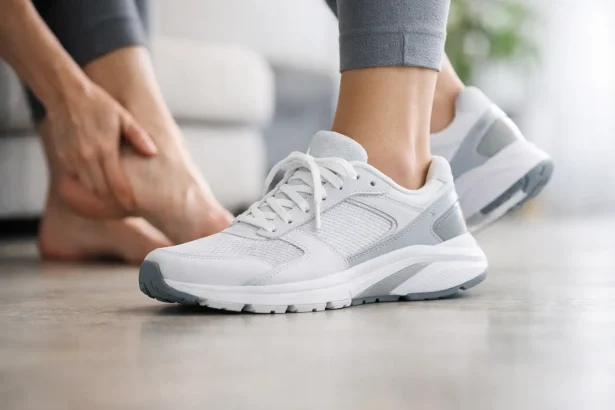
Your shoes can look sharp at 9 a.m. and feel brutal by 5 p.m. That is the problem with a lot of stylish walking shoes women see online. They photograph well, then leave you hunting for a chair halfway through the day. We think you should get both: a shoe that works with your outfit and does not make a long walk feel like a bad decision.
The right pair depends on how you spend your day. A soft, tall running-inspired sneaker is a solid call for pavement, errands, and standing shifts. A lower, cleaner retro shoe can work if your walks are shorter and you prefer a less bulky look. What does not work for most people? Thin, flat sneakers that ask your feet to do all the work.
Style is not just color. It is shape, proportion, and whether the shoe fits into real life. A big cushioned shoe can look great with leggings, wide-leg pants, straight jeans, or a casual dress. A slimmer suede-style sneaker looks cleaner with denim and relaxed trousers. Neither is automatically better. The one you will wear often is the better buy.
For walking, start with the base. Look for a midsole that has some thickness and gives a little when you press it. You do not need to sink into foam, but a hard, flat platform is rough on concrete after a few hours. A secure heel is useful too. If your heel slides around before you leave the house, it will not improve after three miles.
Then look at the upper. Mesh is cooler and usually more forgiving across the forefoot. It is our pick for warm weather, commuting, and days with lots of steps. Leather and suede-inspired materials can look more polished, but they may feel warmer and need a break-in period. If you are buying one pair for everyday walking, comfort should win that argument.
Finally, do not ignore the toe box. Your toes need room to spread as you walk. A pointed, narrow sneaker may look sleek, but it is a poor match for long days if it squeezes your forefoot. We would rather see a slightly roomier shoe that looks good than a narrow one you only tolerate for dinner.
A shoe can be stylish and still be wrong for your routine. Think about where you walk, how long you are on your feet, and what you normally wear. That narrows the choice fast.
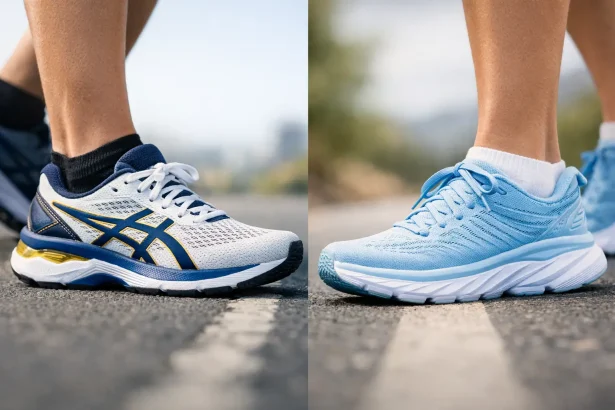
Go for a cushioned performance runner with a stable platform. Models in the Hoka Bondi and Arahi lane, Brooks Ghost Max lane, and ASICS Gel-Kayano lane make sense here. They have more underfoot protection than a classic casual sneaker, and that matters when sidewalks, station floors, and work shifts add up.
These shoes are not always subtle. Some have a tall sole and a sportier look. We are fine with that. A clean white, gray, black, or soft neutral pair is easy to wear with everyday clothes, and tired feet rarely care whether your sneaker is minimal enough for a mood board.
If you tend to feel wobbly in very soft shoes, do not chase maximum cushioning. A slightly firmer, more guided model may feel better. More foam is not always more comfortable. Stability matters when your ankles or knees feel tired late in the day.
This is where lifestyle runners do a lot of work. New Balance running-inspired silhouettes, ASICS Gel models, and On shoes often hit the sweet spot between athletic comfort and an outfit-friendly shape. They look intentional with jeans and a sweatshirt, but they are still built with more cushioning than a basic flat sneaker.
Travel is a good test. You need a shoe that handles airport terminals, unfamiliar streets, and a full day on your feet without demanding a second pair in your bag. Choose something with easy lacing, a secure heel, and enough room for socks. If it only feels good when you are sitting down, leave it behind.
Adidas Gazelle-style shoes and Puma Speedcat-style shoes have a clean, low look that many people love. They are great for short walks, coffee runs, and days where style is doing most of the work. We would not put them at the top of the list for a 10K walking day or an eight-hour standing shift.
That is not a knock on them. It is just honest. Their lower profile and flatter construction can feel less supportive on hard ground. If you love the look, keep them in the rotation. Just do not expect them to replace a proper cushioned walking shoe.
Trying on walking shoes is not about whether your usual size is printed on the box. Brand sizing varies, and feet can swell during the day. Try shoes on later in the afternoon if you can, wearing the socks you usually walk in.
You want a thumb-width of space in front of your longest toe. Your heel should feel held in place, not pinned down. Walk around for a few minutes and pay attention to hot spots along the little toe, arch, and heel collar. A shoe does not need to feel broken in, but it should not hurt in the store either.
If one foot is slightly larger, fit the larger foot. That is common. If you are between sizes, the better choice depends on the shoe. A narrow, structured upper may need the larger size. A roomy mesh model may work in your usual size. Read the fit notes, but trust what your feet tell you.
Wide feet need extra attention. Do not force a standard-width shoe because you like the color. Look for wider options or uppers with enough stretch around the forefoot. A shoe that feels fine for ten minutes can become miserable after an afternoon of walking.
You do not need every bit of running-shoe tech for neighborhood walks. But a few features are worth having because you will notice them.
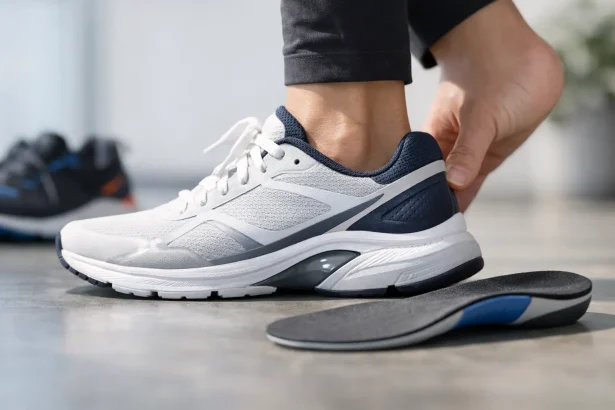
A padded heel collar helps prevent rubbing. A removable insole gives you options if you prefer your own insert. A rubber outsole with real grip is useful for wet sidewalks and smooth store floors. Breathable mesh helps if your feet run warm. Reflective details are a nice extra for early or late walks, though they should not be the reason you choose a shoe.
We also like a shoe that is easy to clean. White mesh looks fresh, but it shows every splash. Darker mesh, gray panels, or mixed-material uppers can hide daily wear better. If you want white shoes, that is fine. Just buy them knowing they will need regular care to stay crisp.
Skip shoes that are painfully narrow from the first try-on. Skip flat fashion sneakers for all-day walking unless you already know your feet handle them well. Skip buying a pair solely because it is trending if the sole feels hard and the heel is loose.
Also, be careful with shoes that feel incredibly soft for thirty seconds. Some plush models are great. Others can feel unstable once you start walking quickly or turn corners. If you need a dependable daily shoe, a balanced ride usually beats a squishy one.
Price matters, too. You do not have to buy the most expensive model in the lineup. A previous colorway or a less flashy version of a solid walking shoe can be the smarter purchase. Spend on fit and comfort first. Special details come second.
If you walk a lot, one pair does not have to do everything. A cushioned pair for long days and a slimmer pair for casual plans is a practical setup. Your more supportive shoes last longer when they are not worn for every single outing, and you get to wear the shoes you bought because you liked them.
At The Sneaker Base, we would start with the day that usually leaves your feet most tired. Buy for that day first. Once you have a pair that feels good when the step count climbs, choosing a stylish second pair gets a lot easier.
The real test is simple: put them on, walk farther than usual, and see how you feel when you get home. If your feet are still asking for a break, the shoe is not doing enough. If you forget about your shoes and get on with your day, keep that pair close.