Cart
No products in the cart.
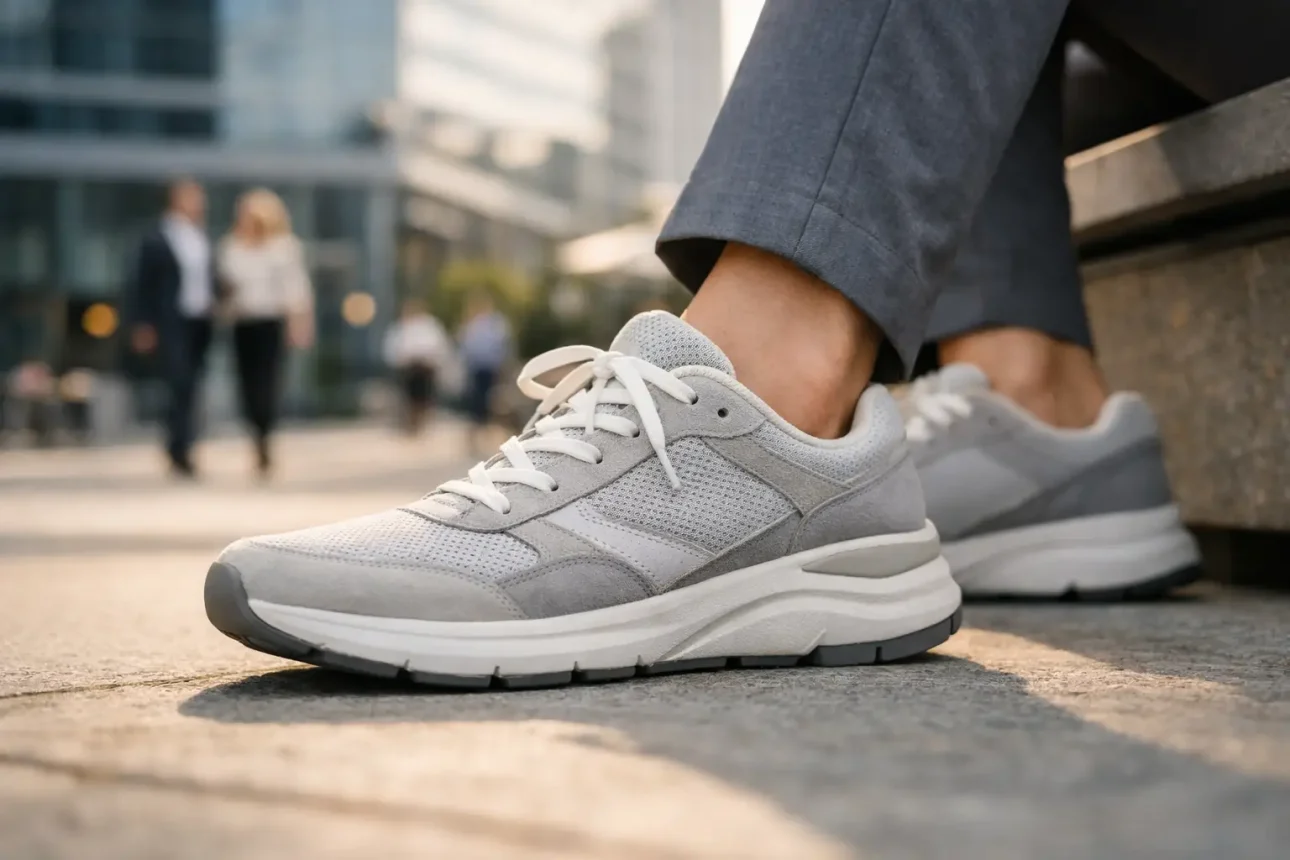
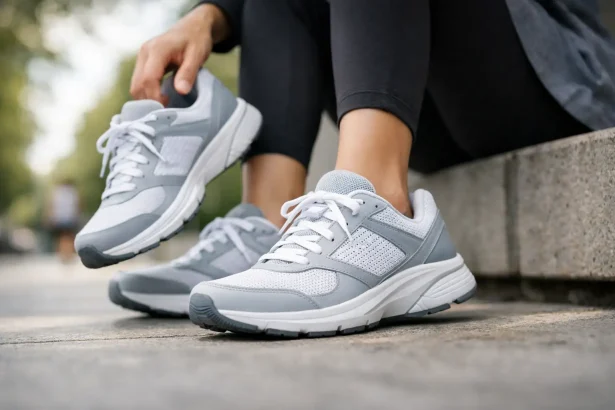
Your feet do not care how clean your sneakers looked at 8 AM. By 5 PM, they care about pressure under the heel, cramped toes, and whether every step feels like work. That is what comfort sneakers are for: getting through real days without changing into something else halfway through.
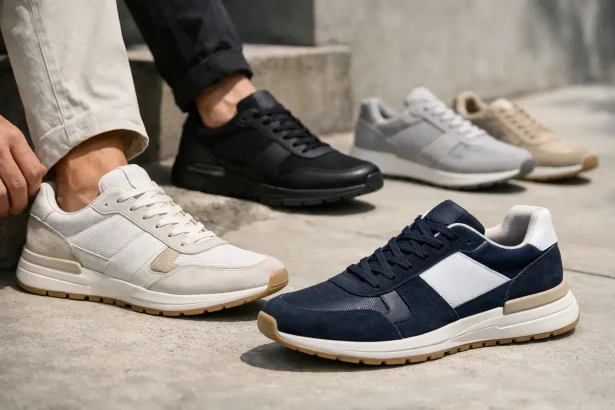
A comfortable shoe is not automatically soft, bulky, or boring. Some of the best pairs look sharp with jeans, joggers, or work clothes. The trick is knowing which kind of comfort you actually need. A runner, a nurse, a warehouse worker, and someone who walks the dog for an hour every day should not all buy the same shoe.
Comfort is more than a thick foam sole. Cushioning matters, but a shoe also needs to fit your foot, hold your heel in place, and give your toes enough room to move. Get one of those wrong and even an expensive sneaker can feel awful.
We look at four things first: cushioning, support, fit, and weight. A soft midsole can reduce the hard feel of pavement, especially if you spend long hours standing or walking. Support helps keep the shoe from feeling loose and unstable. Fit decides whether that support is useful or just annoying. Weight matters because a heavy shoe can start feeling like a chore after a few miles.
There is a trade-off. Maximum cushioning can feel amazing on hard floors, but very tall, soft soles are not always the best choice if you want a grounded, stable feel. A firmer sneaker may feel less plush in the store yet work better for a quick walk, errands, and everyday wear. Do not judge a shoe by the first ten steps alone.
The easiest way to narrow down comfort sneakers is to be honest about your routine. Not the routine you plan to have next month. The one you have now.
If you stand for a full shift, look for a stable base, decent heel cushioning, and an upper that does not squeeze the forefoot. Shoes with a broader platform often feel more secure when your legs are tired. Flat, slim lifestyle sneakers can look great, but we would skip them for eight hours on concrete. They are usually better for short outings than long shifts.
If you walk a lot, you want cushioning that stays comfortable without making the shoe feel clumsy. Models built around walking or easy running often make sense here. The Hoka Bondi and Brooks Ghost Max are popular for a reason: they put a lot of material between your foot and the ground. They are not the sleekest option for everyone, but they can be worth it when hard sidewalks beat up your feet.
For casual wear with some walking mixed in, a lower-profile shoe may be enough. Adidas Gazelle and Puma Speedcat-style sneakers bring more style than cushion. We like the look, but we would not pretend they are all-day walking shoes. Wear them to dinner, around town, or for a lighter day. Keep a more supportive pair around for the days when your step count gets serious.
If you run a little, walk a little, and want one pair that can cover both, look at daily trainers. New Balance, Asics, Brooks, On, and Hoka all make shoes that sit in this middle ground. You do not need a race shoe for a relaxed three-mile run. You need something that feels steady, does not punish your calves, and still works when you stop for groceries afterward.
The word “cushioned” gets used a lot because it sells shoes. But soft foam is only useful when the rest of the shoe works with it.
A heavily cushioned sneaker can take the edge off long days on hard ground. That is why people who work on their feet often gravitate toward shoes like the Hoka Bondi, Hoka Arahi, or Brooks Ghost Max. The added foam gives you a more protected feel underfoot. For some people, that is exactly right.
But too much softness can feel wobbly, especially when you turn corners, carry things, or have a foot that likes a firmer platform. If that sounds familiar, try a shoe with moderate cushioning and a wider base. The Asics Gel-Kayano is a solid example of a shoe category that focuses on a supported, guided ride rather than a sink-in feel.
Do not buy the thickest sole just because your feet hurt. First ask where they hurt and when. Heel soreness after standing may point you toward more cushioning. A foot that feels tired and unstable may need a more secure upper or base. If pain is persistent, severe, or changing how you walk, talk with a qualified medical professional instead of treating sneakers like a diagnosis.
A shoe can feel soft for thirty seconds and still become a problem after two hours. Walk around in them at home on a clean surface if you can. Pay attention to heel slip, pressure across the top of your foot, and whether your toes touch the front when you walk downhill or bend your knee.
That last part matters. Your feet spread and shift as the day goes on. A pair that fits perfectly first thing in the morning can feel tight later. Leave a little space in front of the longest toe. Not a whole thumb’s width if that makes the shoe sloppy, but enough that your toes are not braced against the front.
A Nike that fits well is better than an Asics that does not. An On that suits your foot is better than a Hoka you bought because everyone at work wears one. Brands have different shapes, and model families within the same brand can fit differently too.
Some sneakers feel narrow through the middle. Others have a roomier toe box. Some hug the heel tightly, while others suit a higher-volume foot better. This is why we do not tell people there is one best comfort sneaker. There is not.
Try on sneakers later in the day if possible, when your feet are closer to their usual working size. Wear the socks you actually use. If you wear thicker work socks, do not test a pair in thin no-show socks and assume it will be fine.
Watch for three bad signs: your heel lifts with every step, your toes feel pinched from the start, or the arch support pushes into the wrong spot. None of these usually “break in” in a helpful way. Leather can soften. Foam and shoe shape will not magically change around your foot.
Support does not mean your shoe needs to feel like a hiking boot. For most people, it means the heel is held securely, the shoe does not twist too easily, and the base gives your foot a predictable place to land.
If your old sneakers wear down more on one side, or you often feel like your ankles are working hard, a more structured shoe can make everyday walking feel easier. The Asics Gel-Kayano and Hoka Arahi are worth considering if you prefer guidance and stability. They will not suit everyone. Some people find that structured feel too noticeable, particularly if they like a flexible, natural ride.
For a neutral option, shoes such as the Brooks Ghost Max or many New Balance daily trainers can offer enough cushion and a stable enough platform without feeling overly corrective. That balance is often the sweet spot for people who just want to walk, work, and get home with something left in the tank.
People focus on the midsole, then wonder why the shoe feels wrong. The upper is the part touching your foot all day. A soft mesh upper can be comfortable and breathable, but it may not give enough hold for fast walking or lateral movement. A firmer upper can feel more secure, though it may run warmer or need more break-in time.
The outsole matters too. If you walk on wet sidewalks, smooth tile, or slick workplace floors, check for real rubber coverage and grip. A shoe can have perfect cushioning and still be a bad buy if it slides around. Also look at where the rubber sits. Bare foam in high-wear areas may wear faster if you walk a lot.
Do not chase the shoe with the loudest comfort claim. Start with your day, your feet, and the surfaces you walk on. If you stand all day, choose stability and cushioning over a low-profile look. If style matters most and your walking is light, a classic lifestyle sneaker can do the job. If you need one pair for everything, choose a daily trainer and accept that it may look a little more athletic.
At The Sneaker Base, we think the right pair is the one you stop thinking about after you put it on. No rubbing. No heel pain by lunch. No regret when you see how far you still have to walk. That is a shoe worth wearing again tomorrow.