Cart
No products in the cart.
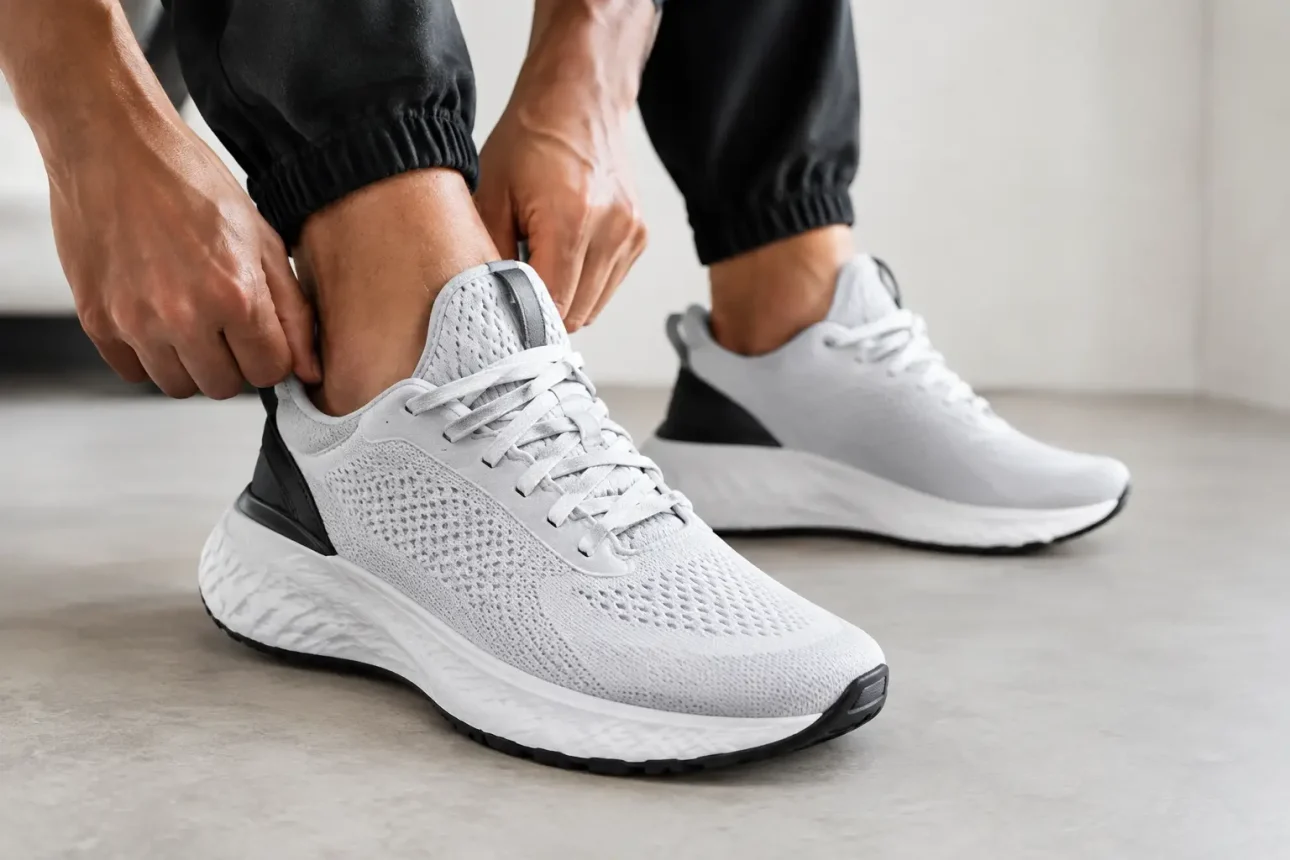
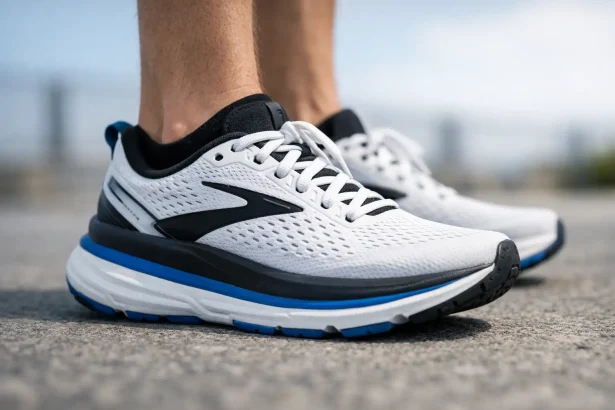
Your sneakers can look clean in the mirror and still be the reason your feet hurt by lunch. That is why a proper guide to sneaker fit starts with feel, not your usual size on the box. Sizes are useful. They are not a guarantee.
A good pair should feel comfortable when you first put it on, with enough room to move and enough hold to keep your foot stable. It should not need a painful break-in period to become wearable. A little stiffness in a new shoe is normal. Pinched toes, heel rubbing, or numb feet are not.
Measure both feet before you shop, especially if it has been a while. Feet can change with age, weight, pregnancy, injuries, and long days spent standing. One foot is often slightly longer or wider than the other, too. Fit the larger foot. Always.
Measure later in the day if you can. Your feet naturally swell after hours of walking, working, or running around. A shoe that feels fine first thing in the morning can feel tight at 5 p.m. That matters if you are buying sneakers for work, travel, or long walks.
Stand on a piece of paper with your socks on, trace each foot, and measure from your longest toe to your heel. Do not assume your big toe is the longest. For plenty of people, it is the second toe. Compare that measurement to the brand’s size chart, then use what your feet tell you when the shoes arrive.
Your usual size is a starting point. Nike can fit differently from New Balance. Hoka can feel different from Adidas. Even two models from the same brand can have different shapes. We would rather see you try two nearby sizes than force your feet into the number you have worn for years.
You want roughly a thumb’s width of space between your longest toe and the front of the shoe. Not a huge empty gap. Just enough room that your toes do not hit the end when you walk downhill, stop hard, or pick up the pace.
For running shoes, this space matters even more. Feet slide forward slightly during a run, and they swell with heat and distance. A running shoe that fits exactly to the end of your toe in the store is usually too short on the road.
For casual sneakers, you can get away with a slightly closer fit if you are mostly sitting, driving, or wearing them for short trips. But if you work on your feet or walk several miles a day, give yourself the space. Your toenails will thank you.
A small amount of movement at the heel can be normal, particularly in a brand-new shoe with a firm collar. Your heel lifting noticeably with every step is not. That rubbing turns into blisters fast.
Before deciding a shoe is too big, lace it properly. Many people test sneakers with loose factory laces, then blame the fit. Pull the laces snug through the middle of the foot, then use the top eyelets if the shoe has them. This can lock your heel in without crushing your forefoot.
If the heel still slips after lacing, try another size or another model. Do not keep a shoe that needs thick heel pads, doubled-up socks, and tricks just to stay on your foot. That is a bad fit pretending to be a solution.
The upper should hold the middle of your foot without leaving it trapped. If you feel pressure across the top of your foot, the shoe may be too shallow, too narrow, or simply laced too tight. Loosen the lower laces first. If that does not help, the shoe shape is probably not for you.
Watch for tingling, numbness, or a burning feeling under the laces after ten minutes of walking. Those are not signs that the shoe is molding perfectly to your foot. They are signs your foot needs more space.
A secure fit should feel quiet. Your foot should not slide around inside the shoe when you turn or walk quickly. But it also should not feel like you are trying to wear a clenched fist.
Length gets most of the attention. Width is where a lot of people get it wrong.
If the sides of your feet bulge over the midsole, if your little toe gets rubbed raw, or if the upper stretches hard across the widest point, the shoe is too narrow. Going up a half size may add some width, but it also adds length. Sometimes that works. Sometimes you end up with too much space in front and still not enough room at the sides.
Look for models known for a roomier fit or available in wide sizing. This is especially worth doing if you spend all day standing. A narrow fashion sneaker may look sharp, but it is a rough choice for an eight-hour shift. We would take the slightly less sleek shoe that lets your toes spread naturally.
The best sneaker fit depends on how you use the shoe. A pair for a quick coffee run does not need the same setup as a pair for 10,000 steps, warehouse shifts, or easy weekend runs.
Choose enough toe room, a stable base, and cushioning that does not feel mushy. Super-soft foam can feel amazing for five minutes, then feel less steady when you have been on it all day. If your knees or feet feel beat up after work, skip flat, thin-soled sneakers. A supportive walking or running-inspired model is usually the smarter buy.
Try the shoes while standing still and while walking around your home on a clean surface. Pay attention to your arches and the ball of your foot. The shoe should spread pressure out, not put all of it under one spot.
Walking shoes should feel easy from the first lap around the block. Your heel needs to stay locked in, the front needs room, and the sole should bend where your foot bends. A shoe that feels stiff and awkward at a walking pace rarely becomes your favorite later.
Do not overthink arch support. Some people like a noticeable arch. Others find it annoying. If a raised arch presses into your foot right away, do not tell yourself you will get used to it. You probably will not.
Go for a secure heel, a little extra toe space, and a fit that stays comfortable as your feet warm up. Run in the socks you normally wear. Thick cotton socks can make a shoe feel tighter than it will with your usual running pair, while very thin socks can hide a shoe that is already too roomy.
A shoe can be soft and still feel wrong for your stride. If you feel like you are fighting the shoe, listen to that. You do not need the most expensive model. You need one you will actually want to put on for the next run.
Lifestyle sneakers often fit closer and flatter than performance shoes. That is fine for casual wear. Just be honest about your day. If you are walking across town, chasing kids, commuting, and standing in lines, a low-profile sneaker with little cushioning may not be worth the look.
There is nothing wrong with owning a clean pair for going out and a more comfortable pair for everything else. Shoes have jobs. Let them do the right one.
When your new pair arrives, try them indoors on a clean floor before wearing them outside. Walk for ten to fifteen minutes. Stand, turn, go up and down stairs if you can. Your feet give better answers in motion than they do sitting on the edge of a bed.
Wear the socks you plan to use most. Check the toe space while standing, not while seated. Then ask a few simple questions: Are your toes free? Is your heel secure? Is anything rubbing? Do you feel pressure in one spot already?
If the answer is yes to that last question, do not talk yourself into keeping them because the color is good or the sale was strong. A bargain that hurts is not a bargain.
Size up when your toes touch the front, your feet feel cramped after a short walk, or you are buying a running shoe with no extra room. Size down when your heel slides even with firm lacing, the shoe creases heavily across the front because your foot is not filling it, or your foot moves forward every time you stop.
But changing size is not always the answer. If the shoe is long enough but squeezes the sides, look for a wider option or a different model. If it is roomy in the toes but loose at the heel, try a shoe with a more structured heel counter. If the arch hits the wrong place, another size will not move it enough to fix the problem.
That is the real trick: do not judge a shoe only by the size label. Judge it by where it feels wrong.
At The Sneaker Base, we think the right sneaker is the pair you forget about halfway through the day. No rubbing. No toe pain. No countdown to taking them off. That is what a good fit feels like.