Cart
No products in the cart.
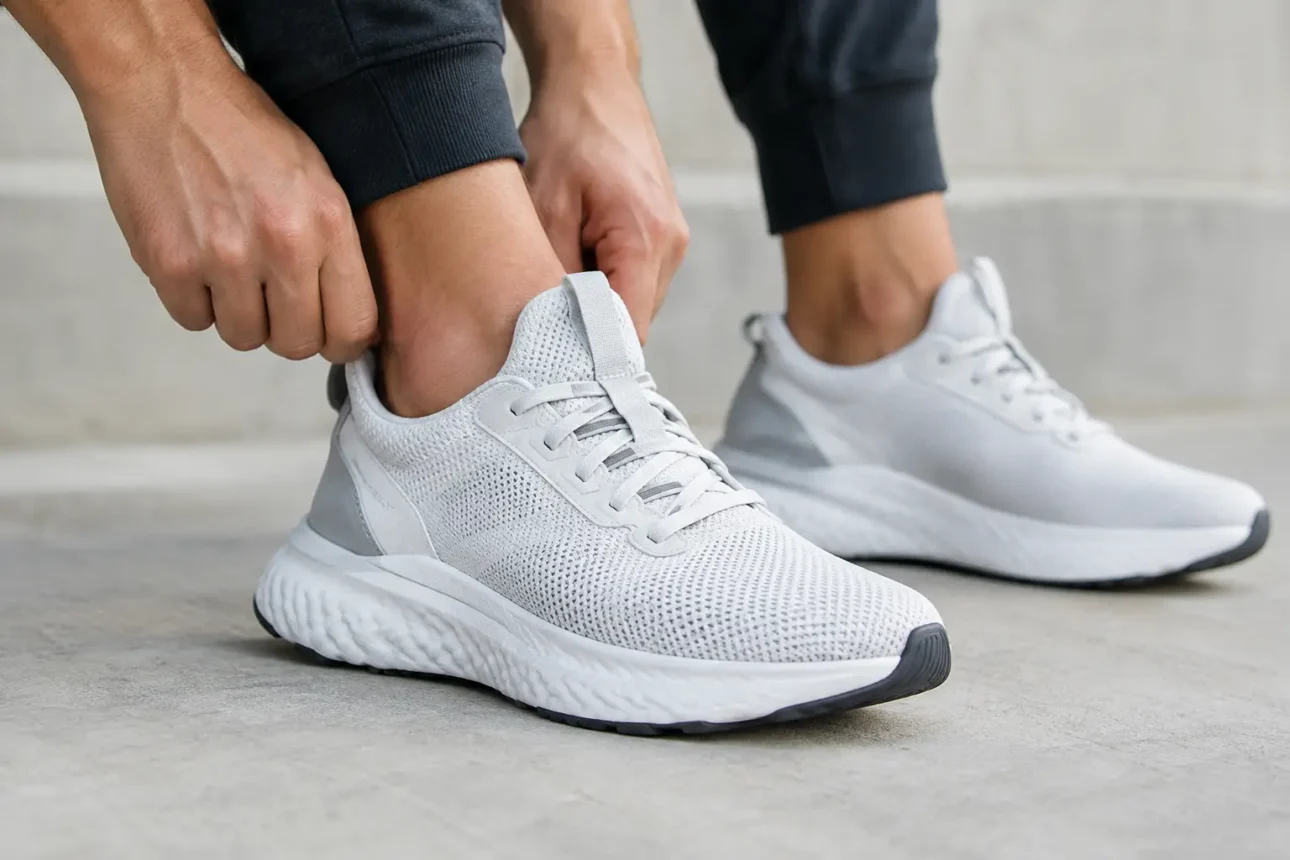
A new pair should feel a little firm, not like a punishment. If your toes are numb after ten minutes or your heel is getting shredded on day one, do not try to tough it out. Knowing how to break in sneakers is useful. Knowing when a shoe simply does not fit is even better.
We see people make the same mistake all the time: they buy a pair for a long day, a vacation, or a first run, then wear it hard straight out of the box. Even good sneakers can rub in unfamiliar places before the upper, lining, and foam settle around your foot. Start slower. Your feet will thank you at 5pm.
Breaking in can soften materials and help a shoe move more naturally. It cannot turn a too-small sneaker into the right size. It also will not fix a shoe that is much too narrow, too shallow across the top of your foot, or wrong for the way you walk.
Try new sneakers on at home with the socks you normally wear. Walk around on a clean floor for ten to fifteen minutes. Your heel should stay reasonably secure without feeling clamped down. You need a little room in front of your longest toe – roughly a thumb’s width is a solid rule – especially in running and walking shoes.
Pay attention to pressure, not just size. A snug heel is normal. A sharp pinch at the little toe, a burning spot over the big toe joint, or tingling in your toes is not. Do not assume the pain will disappear after a week. Some materials give a little. Most modern performance sneakers are built from engineered mesh and foam, which do not stretch much where you need them to.
If you are on your feet all day, skip the idea that shoes need to be painfully tight before they feel good. That advice belongs with stiff leather boots, not most sneakers.
The best method is boring. Wear them in short, normal sessions and increase the time gradually. For the first two or three wears, use your new sneakers around the house or for a quick errand. Think 30 to 60 minutes, not an eight-hour shift or a five-mile walk.
After that, wear them for a few hours at a time. Let your feet tell you whether to increase the time. If there is no rubbing, pressure, or unusual fatigue, you can move up to a full day. Most lifestyle sneakers settle in within a few wears. Cushioned walking and running shoes may feel more natural after 10 to 20 miles, once the midsole and upper begin moving with your stride.
Do not use heat, soak your sneakers in water, or bend them aggressively in your hands. Those old tricks can damage glue, warp foam, and leave the upper looking rough. They are especially pointless on shoes with bonded overlays, knit uppers, air units, or structured heel counters. A sneaker is not stubborn because it needs a hair dryer.
Thin socks can make a close-fitting sneaker feel fine for five minutes, then turn it into a rubbing machine by lunchtime. If you usually wear thicker athletic socks, use them from the first try-on.
For a new pair, a slightly padded sock can reduce friction at the heel and toes. Just do not use thick socks to force your way into a shoe that is clearly too tight. That only hides the problem until your foot swells during the day.
A lot of discomfort comes from lacing, not the sneaker itself. If the top of your foot feels squeezed, loosen the middle eyelets slightly instead of cranking down every lace hole. If your heel slips, use the extra top eyelet to create a runner’s loop. It gives you more heel hold without crushing the forefoot.
If your toes feel crowded, do not lace tighter. Check the length and width first. Tight laces will not stop your foot from sliding forward if the shoe is too big, and they will not create room if it is too small.
The first sign of a blister is usually a warm, irritated spot. Stop there. Put a blister bandage, athletic tape, or a small piece of moleskin over the area before your next wear. A tiny bit of prevention beats limping around for three days.
Heel rubbing is common with new sneakers, especially if the collar sits higher than your last pair. Make sure your heel is fully seated at the back before you lace up. If the rubbing continues after several short wears, the heel shape may just not suit your foot. That happens. A popular shoe can still be a bad match for you.
Not every shoe needs the same treatment. A soft, roomy mesh running shoe often feels ready almost immediately. It may only need a couple of easy walks before it feels familiar. A structured stability shoe can feel firmer at first because it is designed to guide your foot more than a loose, casual sneaker.
Retro styles can take longer. Suede, leather, and heavier paneling may soften with wear, but they can also rub around the tongue, heel, or sidewalls. Wear those around the house first, then use them for short trips. Do not make a stiff new pair your choice for a full day at a theme park. Looks sharp, feels terrible.
Max-cushion models are different again. The foam may feel high, soft, or slightly unstable until you get used to the platform. That is not always a break-in issue. Give yourself a few short walks to adapt, especially if you are coming from flatter shoes.
For running shoes, keep your first outings easy. Start with a short run or walk-run session instead of testing them on race day. New foam, a different heel-to-toe drop, and a changed fit can all affect how your calves, arches, and knees feel. More cushioning is not automatically better if the shoe changes your stride too much.
A normal break-in period can make the upper feel less stiff, the tongue sit better, and the cushioning feel less foreign. You may notice fewer little pressure points as the shoe begins to flex where your foot flexes.
What should not keep happening: numb toes, sharp pain, blisters in the same spot every time, a heel that lifts badly, or pain that continues after you take the shoes off. Stop wearing them if that is the pattern. No sneaker is worth forcing just because you like the color or caught it on sale.
Also, give your old shoes some credit. If your previous pair was worn flat or stretched out, a properly fitting new shoe can feel unusually firm for a few days. That does not mean it is wrong. Compare discomfort honestly. Firm support and a real pressure point are not the same thing.
Do not wear brand-new sneakers barefoot for a full day. Do not take them on a long trip without testing them. And do not buy a smaller size because you expect them to stretch.
We would also skip stuffing shoes with wet newspaper, freezing water-filled bags inside them, or wearing multiple pairs of socks to force width. Those tricks are messy at best and damaging at worst. If you need to reshape a sneaker that much, start with a better-fitting pair.
At The Sneaker Base, we like a shoe that feels good early. A short adjustment period is normal. A painful “break-in” story is not a badge of honor. Wear new sneakers in small doses, listen to the spots that complain, and save the long day for when your feet are ready.


